48 Ivory Japandi Dining Room Decor Ideas
Transforming your dining room into a serene Japandi-inspired oasis can be both enjoyable and rewarding. With its harmonious blend of Japanese minimalism and Scandinavian functionality, the Japandi style emphasizes simplicity, sustainability, and natural elements. In this article, we’ll explore a variety of ivory-themed decor ideas that beautifully embody these principles, creating a tranquil and inviting dining space.
From elegant table centerpieces to charming botanical touches, each idea will provide you with practical tips to enhance your dining area while maintaining a cohesive look. Embrace the warmth of ivory hues paired with organic materials, and discover how to foster a calming atmosphere in your home.
Elegant Table Centerpiece
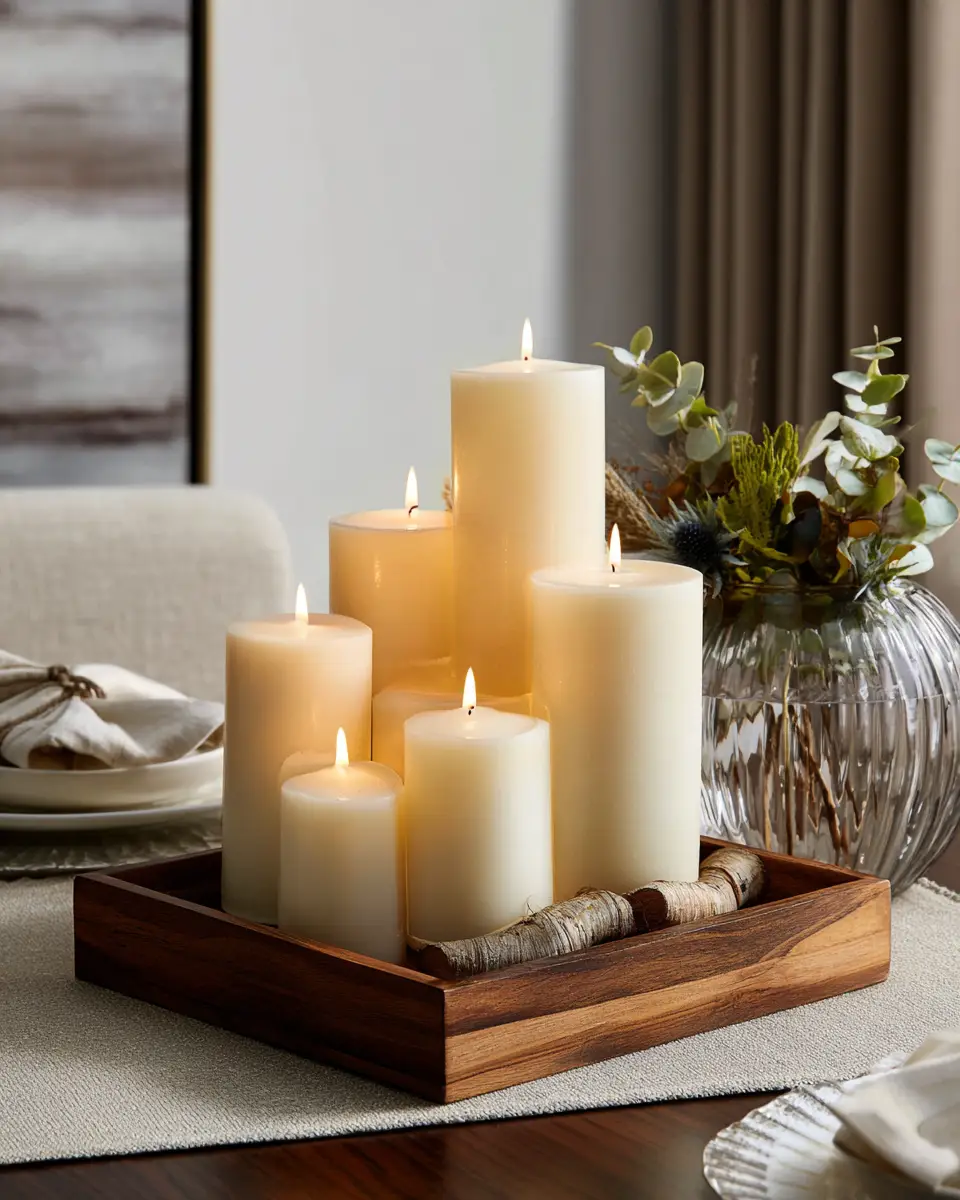
A simple yet striking centerpiece featuring a cluster of soft ivory candles of varying heights on a wooden tray adds warmth and a touch of elegance to the dining experience. This arrangement creates a focal point that draws guests in and sets the mood for intimate gatherings.
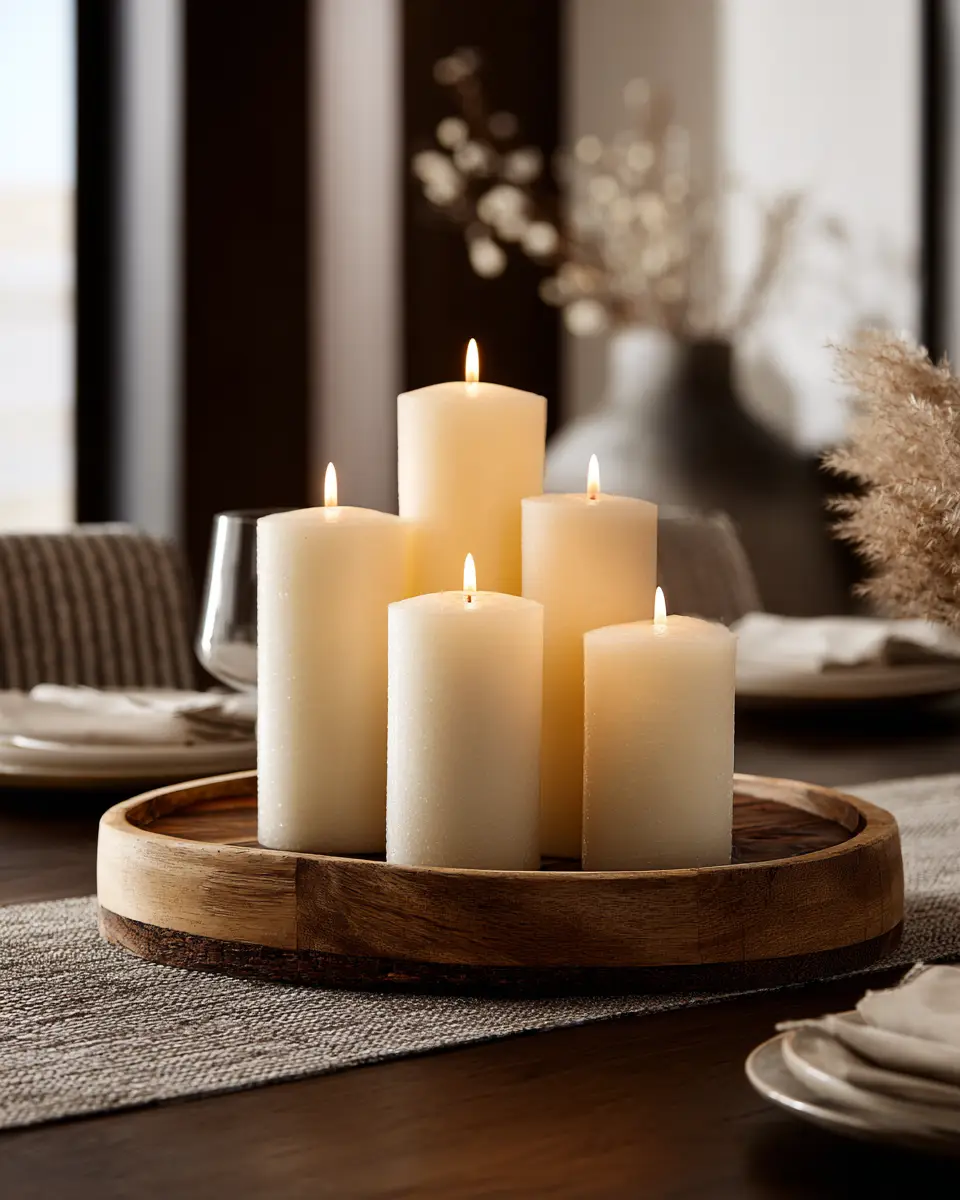
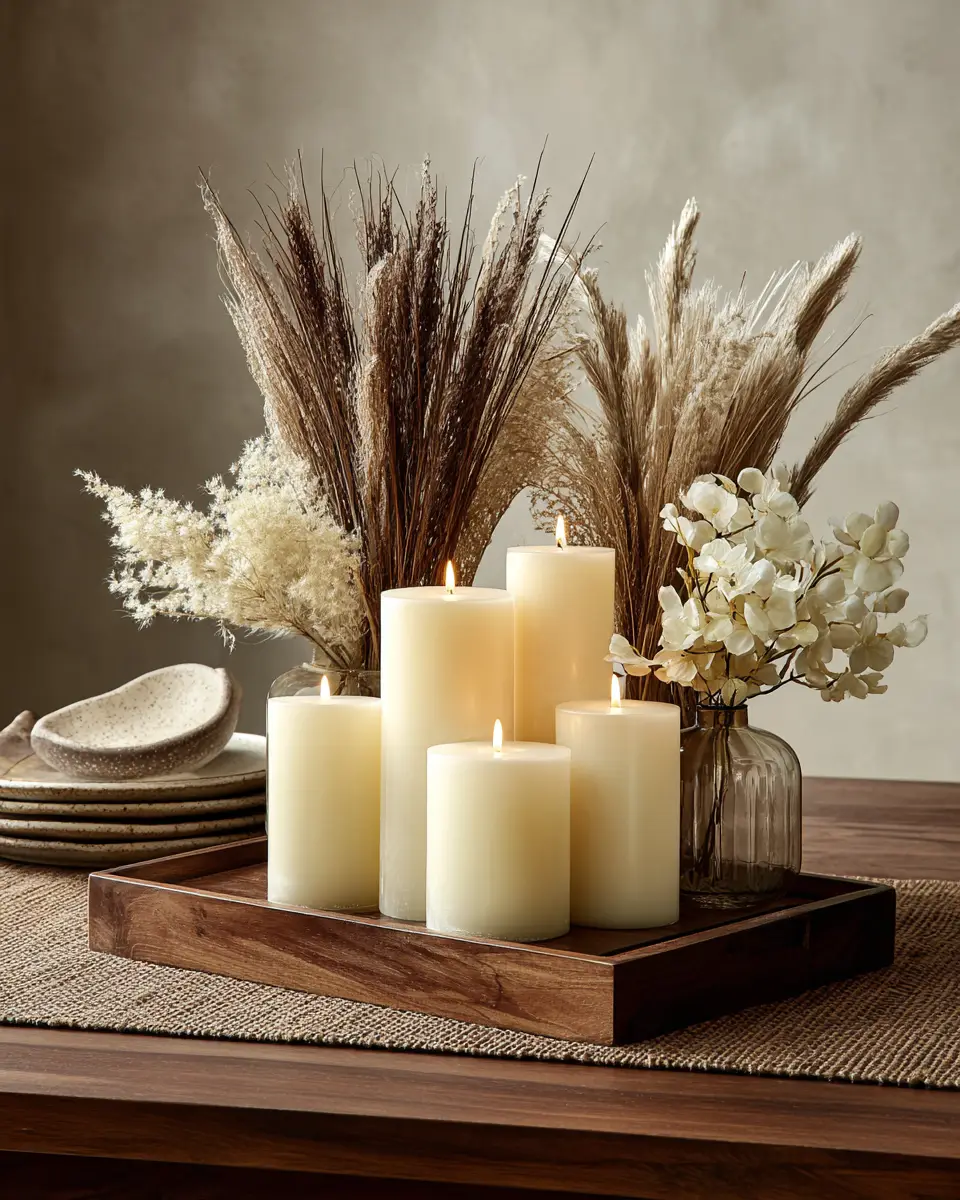
Consider using candles made from natural wax to enhance the eco-friendly aspect of your decor. The soft flicker of candlelight will create a cozy ambiance during evening meals, encouraging a sense of relaxation and connection.
The wooden tray provides a rustic contrast to the delicate ivory tones, grounding the centerpiece in natural materials. Pair this with a clean tablecloth in a complementary shade to complete the look.
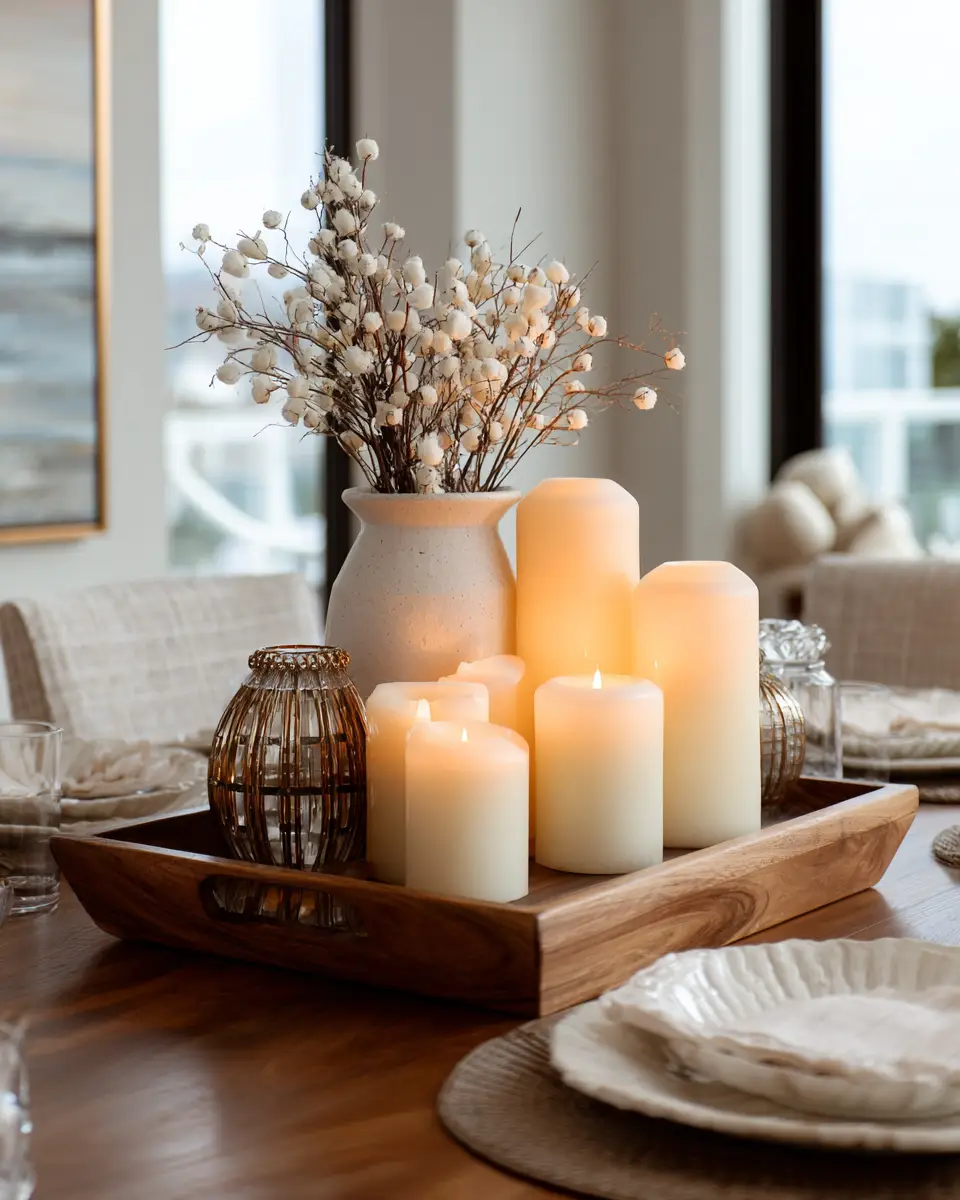
To elevate the design, add small decorative stones or sand within the tray for added texture, enhancing the visual interest while keeping the overall aesthetic minimalistic.
Layered Textiles
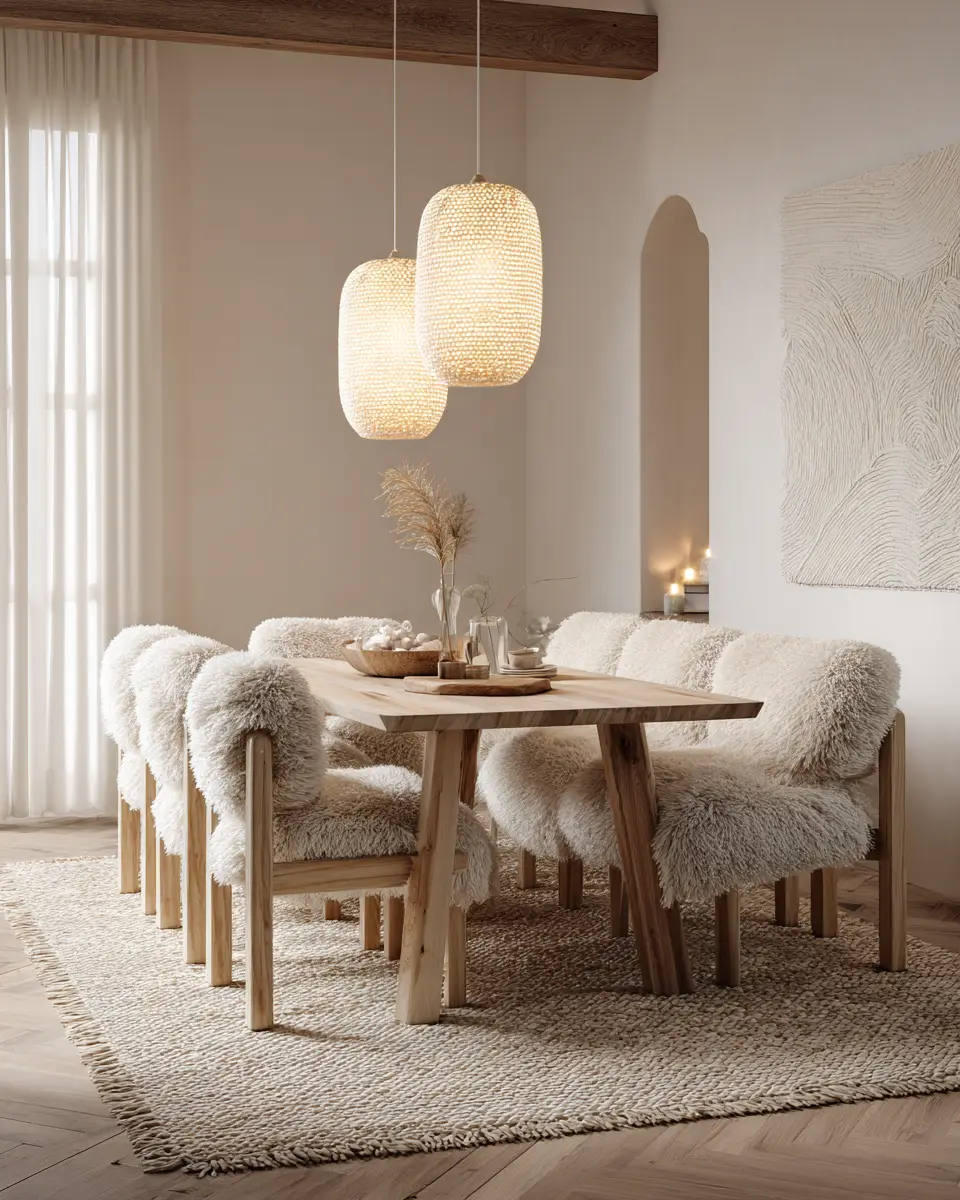
An array of plush, ivory cushions on minimalist wooden chairs can significantly enhance the comfort of your dining area. Layering various textures not only adds warmth but also creates a tactile experience that invites guests to linger longer at the table.
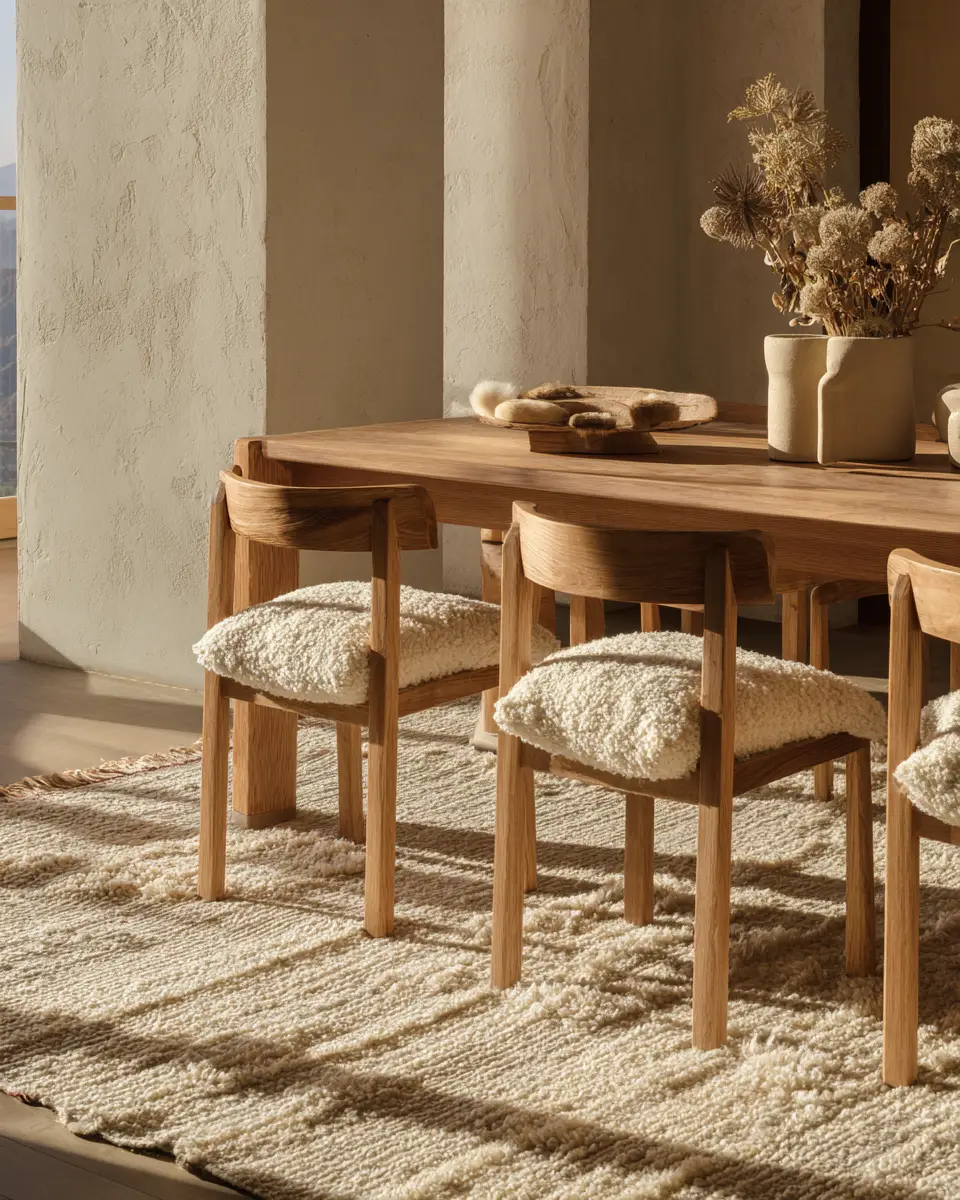
Opt for organic cotton or linen materials for the cushions, which align with the Japandi philosophy of sustainability. Choose different sizes and shapes for the cushions to create an inviting and casual vibe.
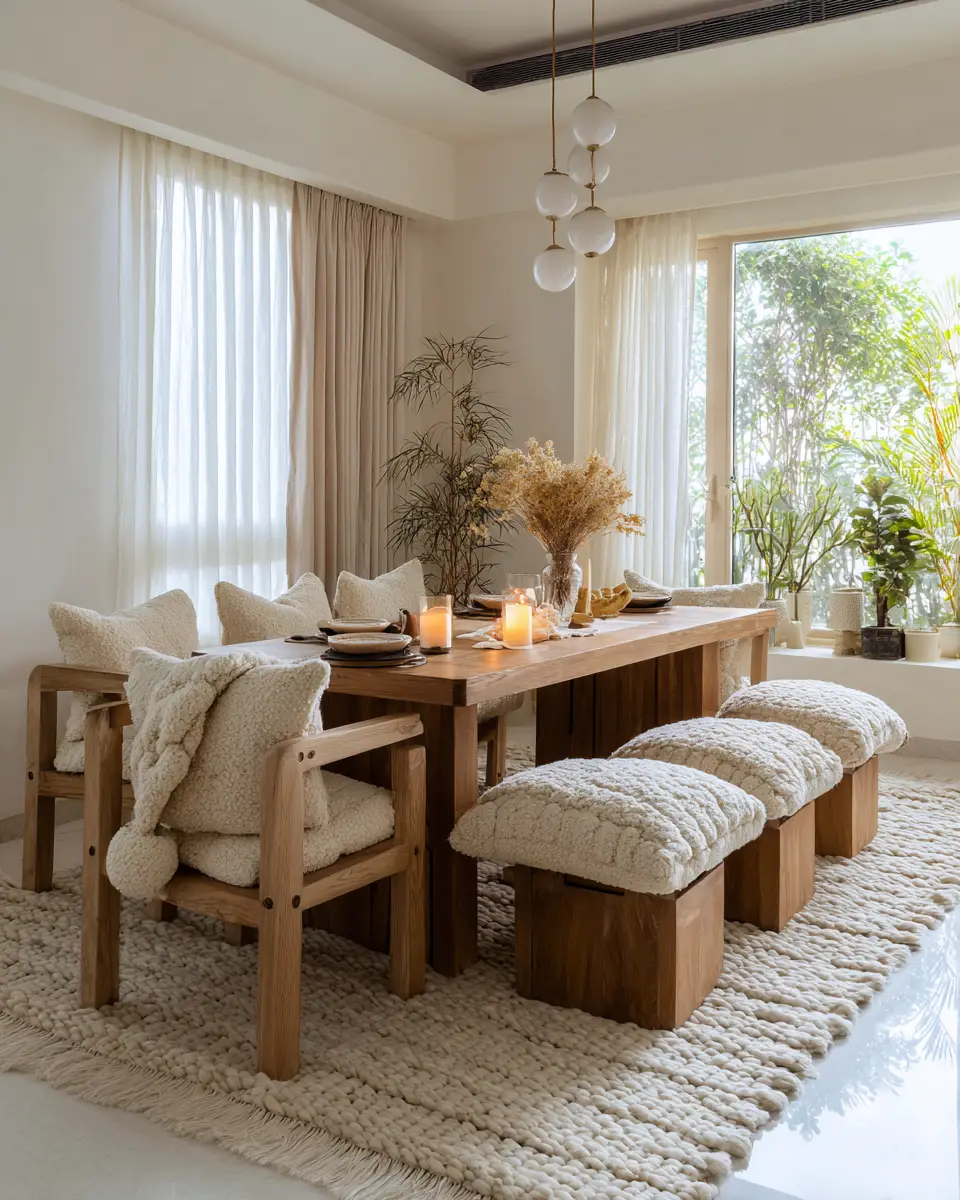
Underneath the dining table, a soft woven rug in a similar ivory tone can further enhance the space, providing comfort and a sense of cohesiveness. This addition will also help to define the dining area, especially in an open-concept layout.
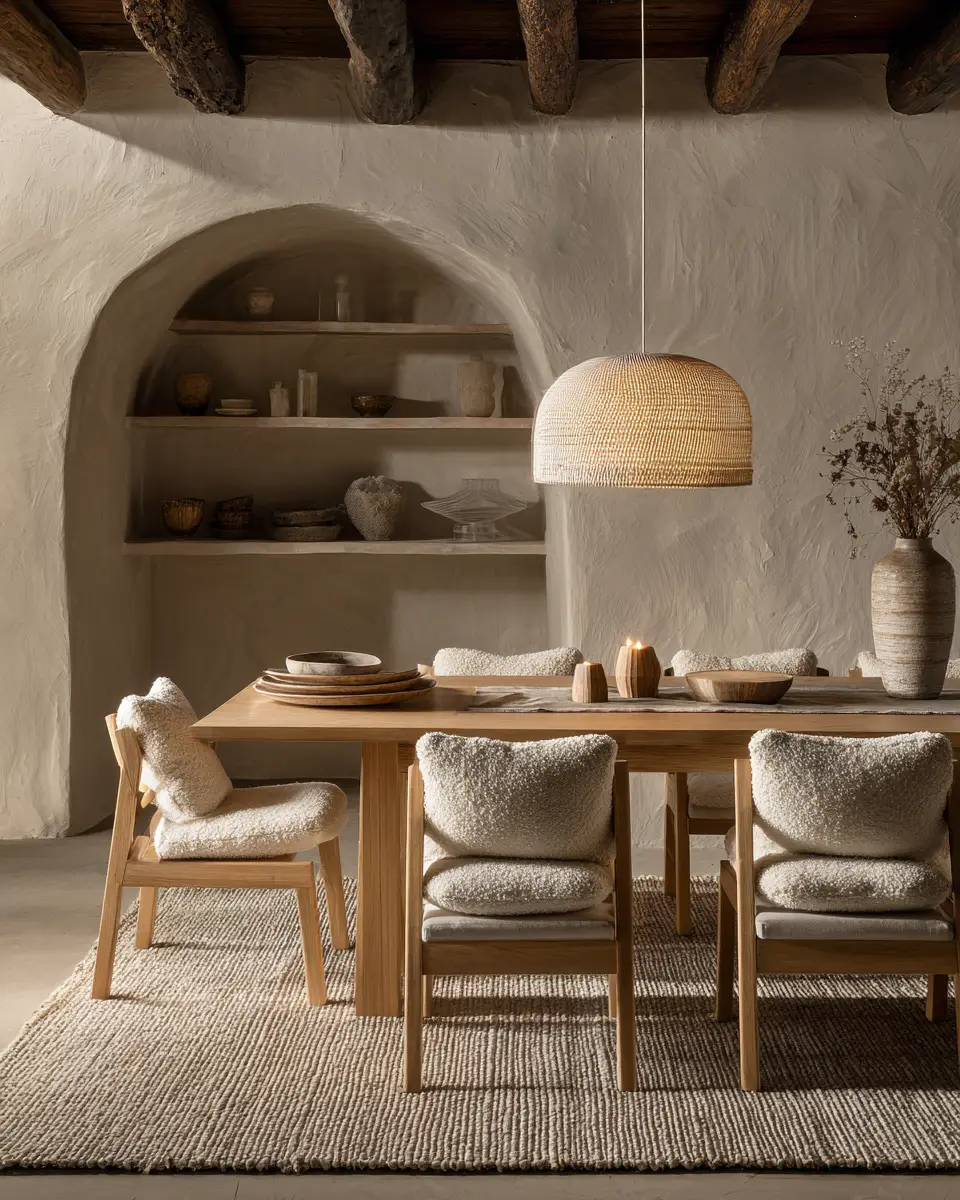
To maintain a clean look, ensure that the textiles complement the overall color palette, using subtle patterns or textures that won’t overwhelm the minimalist design.
Functional Decor Elements
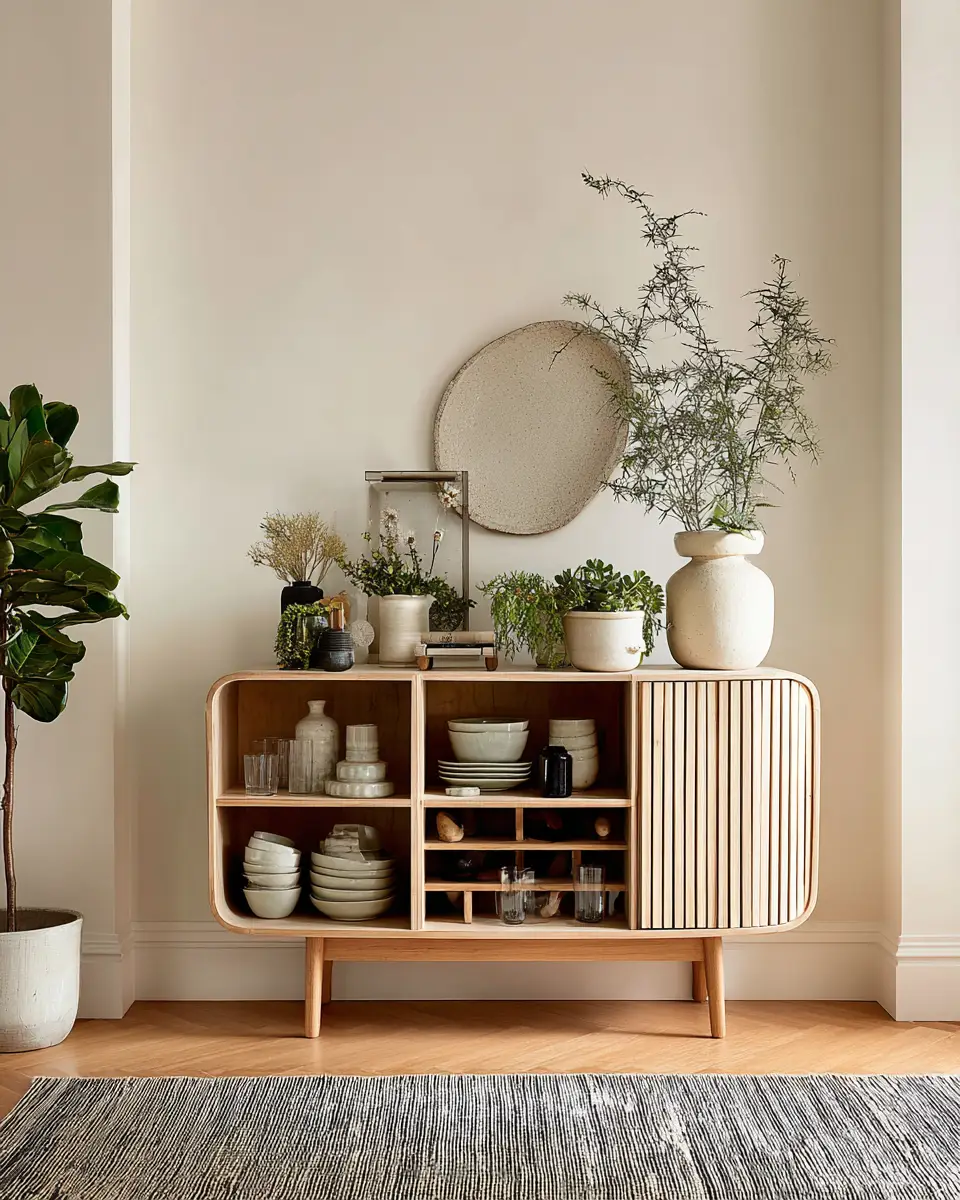
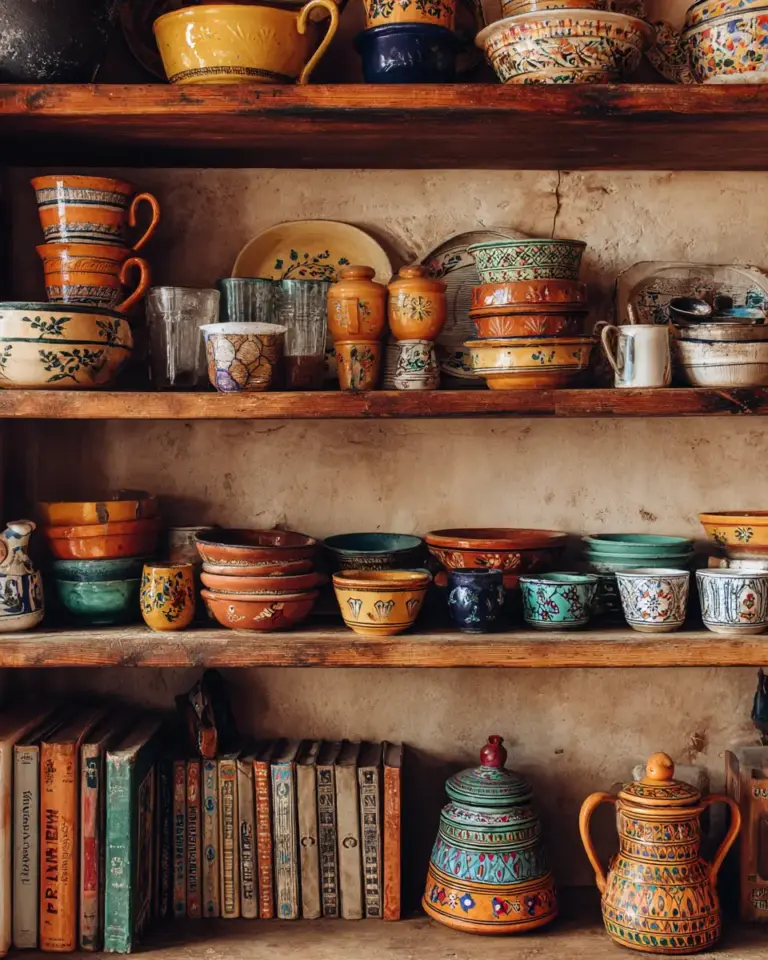
A beautifully crafted wooden sideboard in a light finish serves as both storage and a decorative feature, emphasizing functionality in design. This piece can hold dining essentials while showcasing curated ceramic pieces and greenery, adding personality to the space.
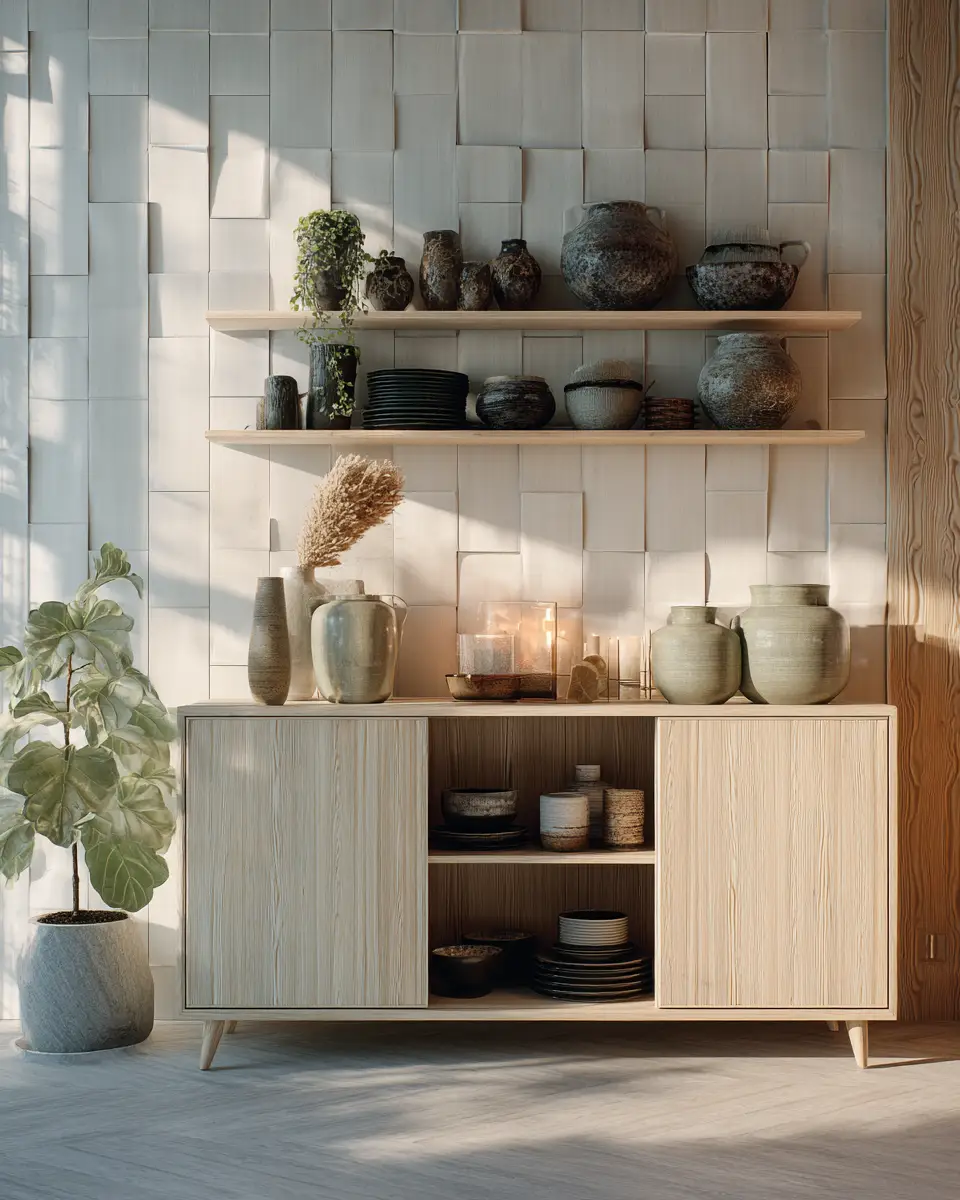
When selecting the sideboard, consider one with clean lines and a finish that harmonizes with the overall decor. Using a mix of textures, such as ceramics and wood, will create visual interest and maintain a balance in the room.
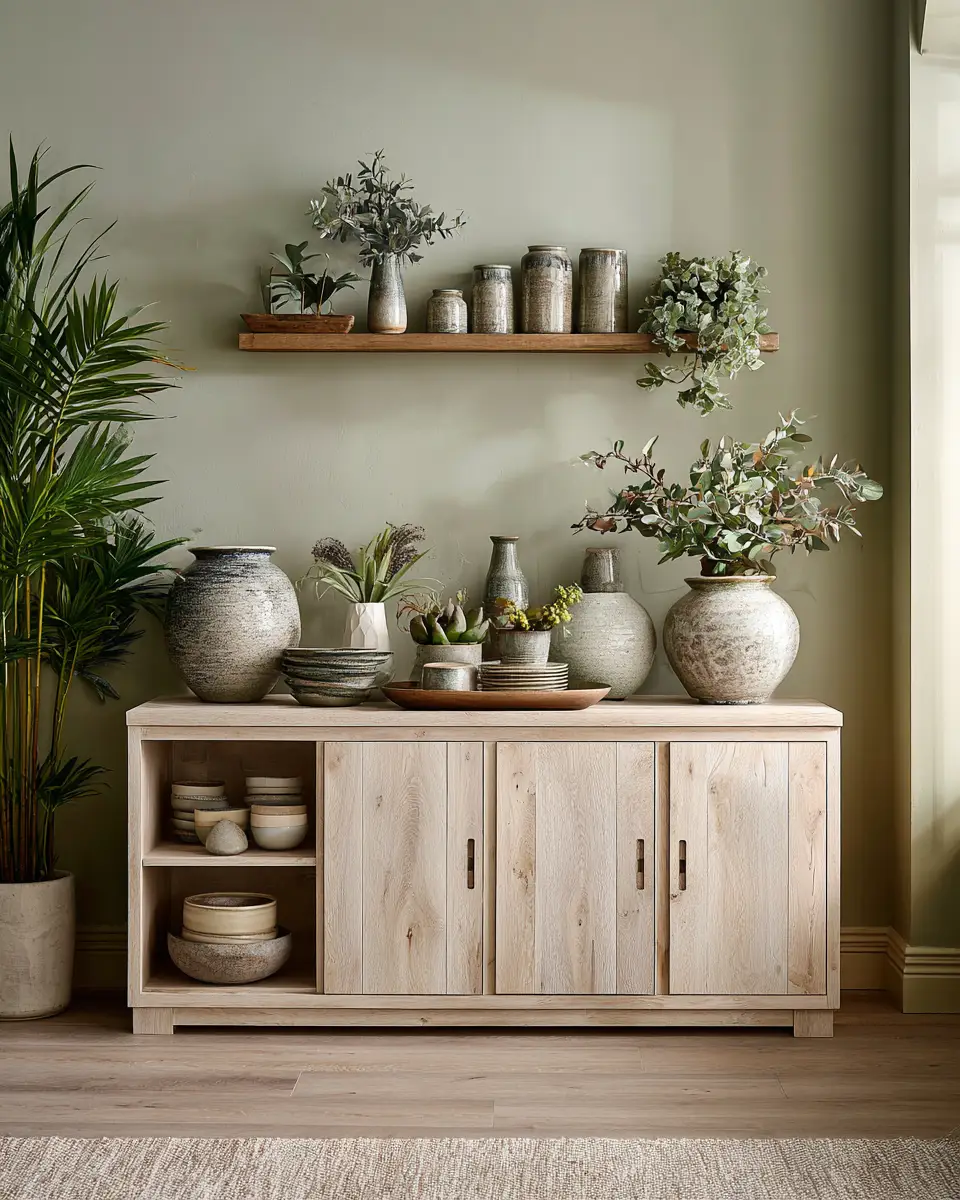
Incorporating potted plants or fresh herbs on the sideboard can further enhance the organic feel of the space. Choose simple terracotta pots that echo natural tones, promoting a sense of calm and serenity.
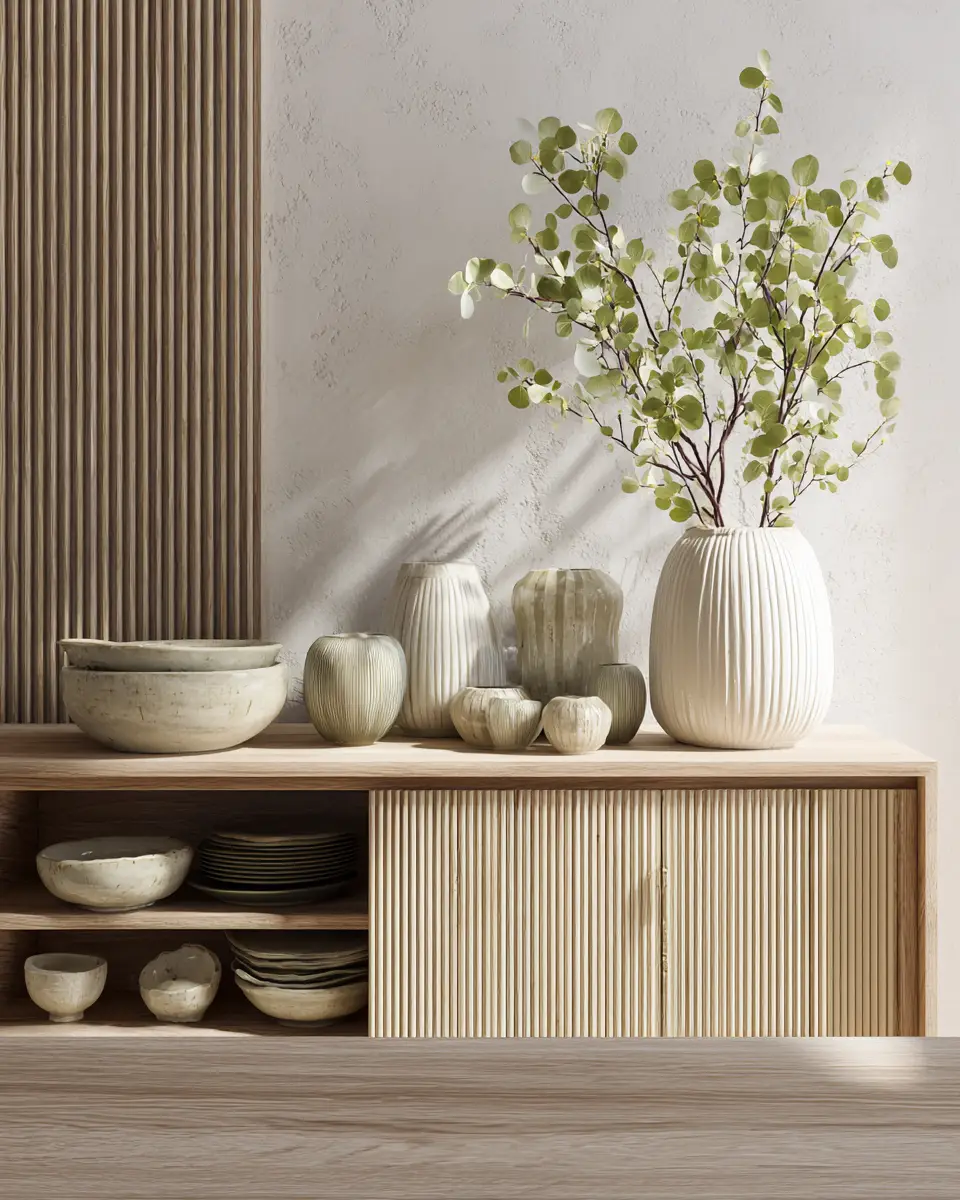
Lastly, ensure that the sideboard is positioned in a way that encourages easy access without obstructing the flow of the dining area, allowing for seamless interaction during meals.
Harmonious Color Palette
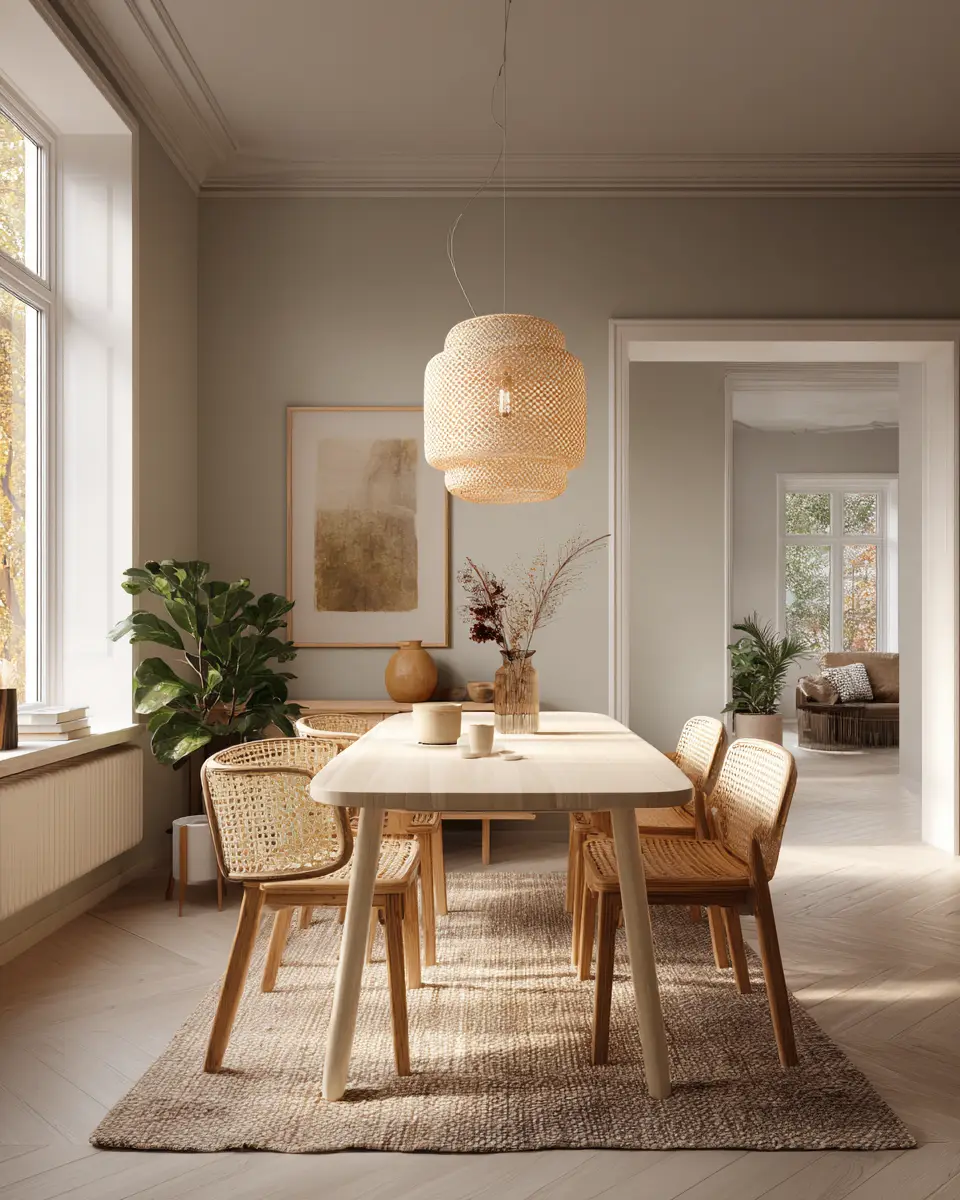
A palette of soft ivory, muted beige, and gentle greys throughout the space creates a cohesive and calming environment that soothes the mind. This understated color scheme is a hallmark of the Japandi style, promoting tranquility and balance.
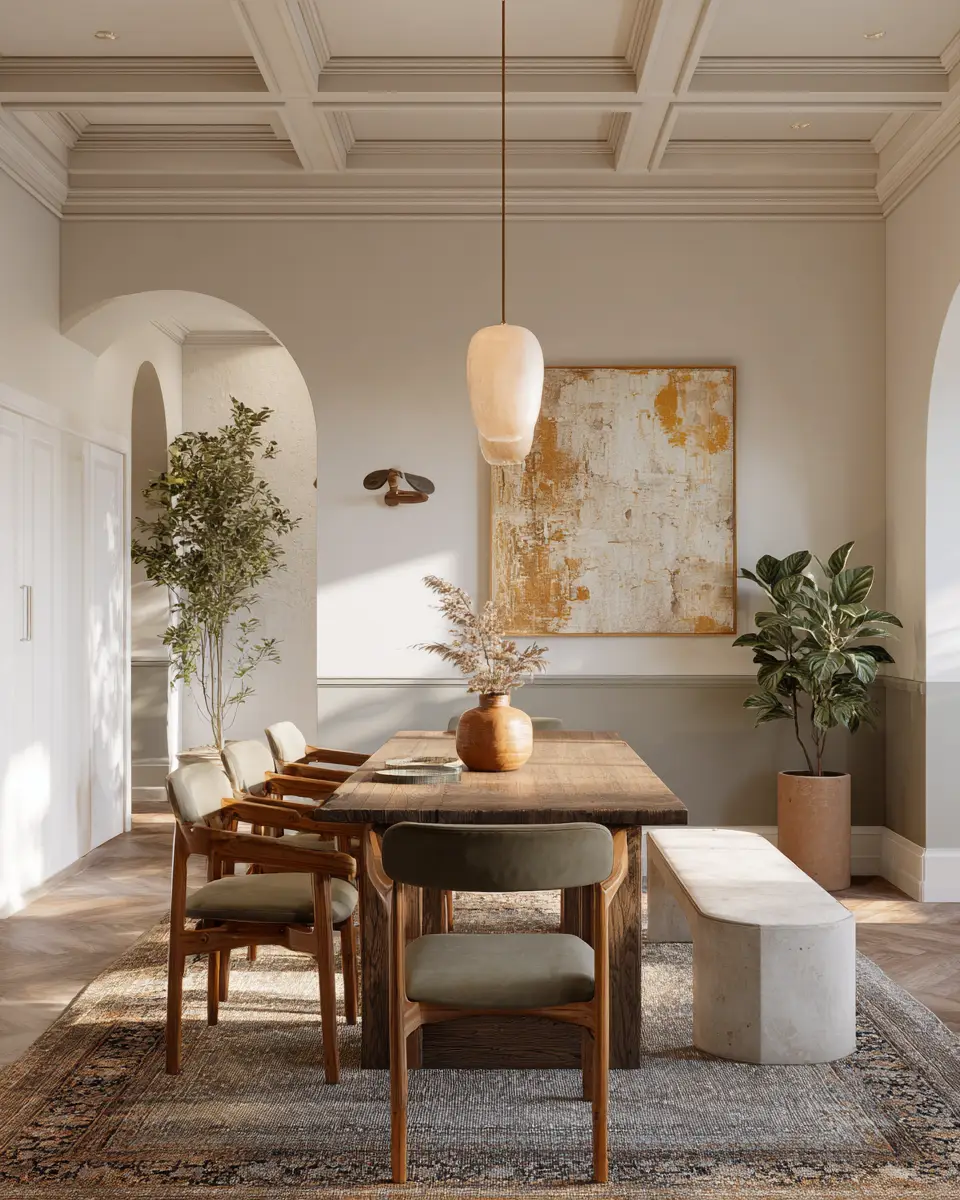
When planning your color scheme, consider painting the walls in a soft beige or light grey to provide a subtle backdrop that enhances the ivory accents. This will create depth and dimension without overwhelming the senses.
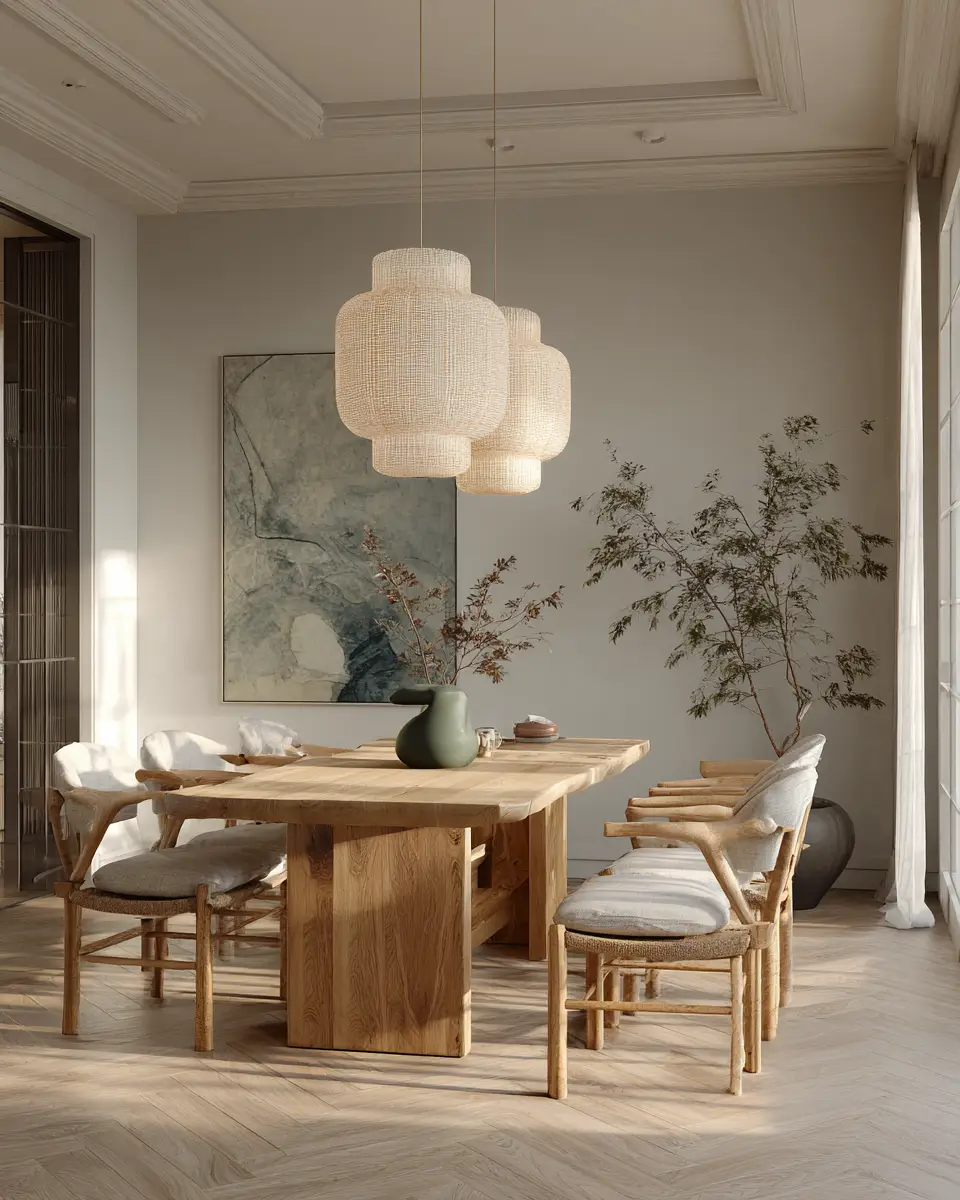
Incorporating earthy green accents through decor items or plants can provide a refreshing contrast, grounding the palette in nature. Think of small vases, artworks, or even decorative bowls in these shades.
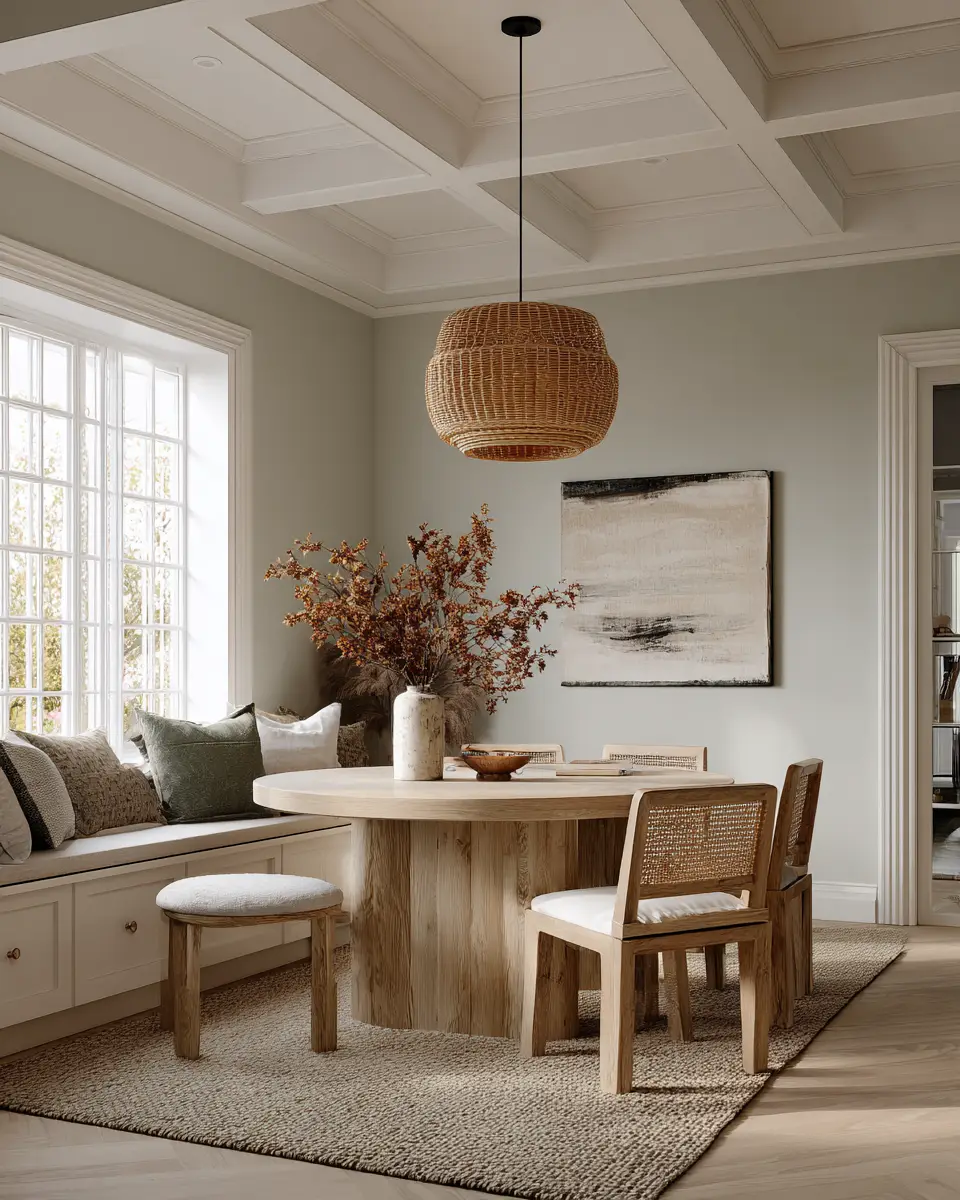
Consistency in your color choices across textiles, furniture, and decor will promote a unified look, allowing each element to stand out while still feeling part of a harmonious whole.
Textured Wall Treatment
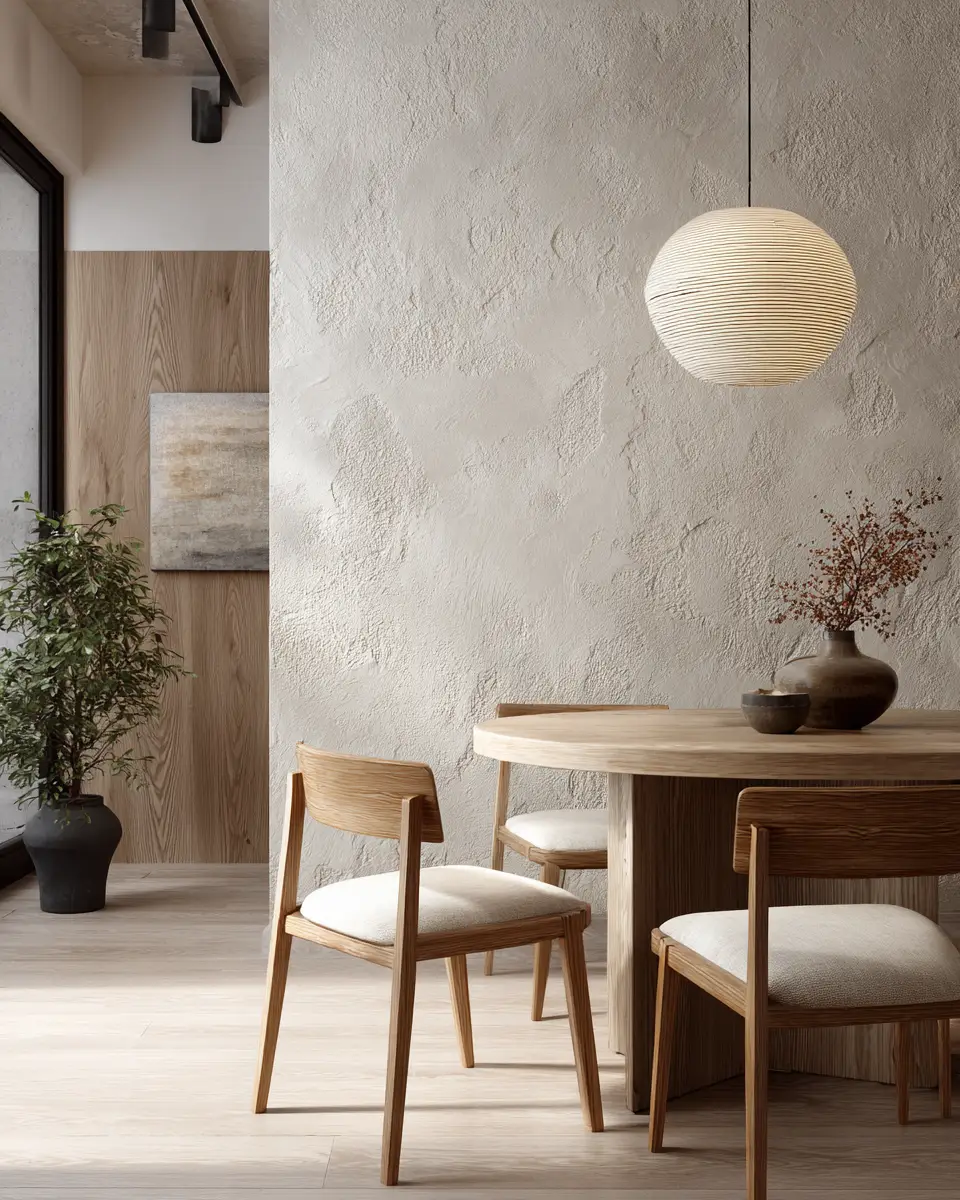
An ivory-hued accent wall with a subtle textured finish adds depth and warmth to the room while maintaining a minimalist aesthetic. This treatment can serve as a stunning backdrop for your dining area, enhancing the overall Japandi theme.
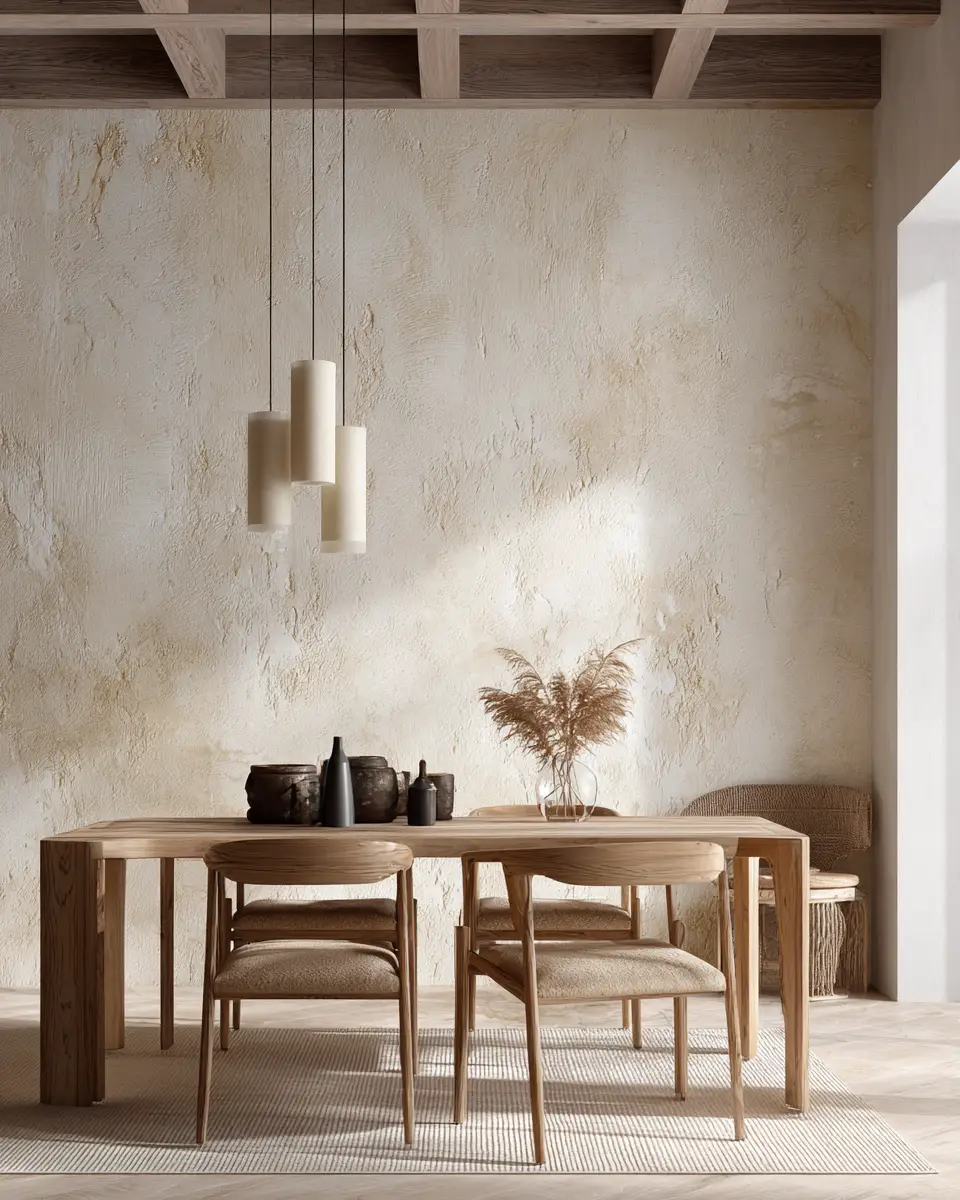
Consider using a blend of plaster and soft wood paneling to achieve this look, creating a tactile experience that invites touch. The combination of textures will also reflect light beautifully, enhancing the airy feel of the space.
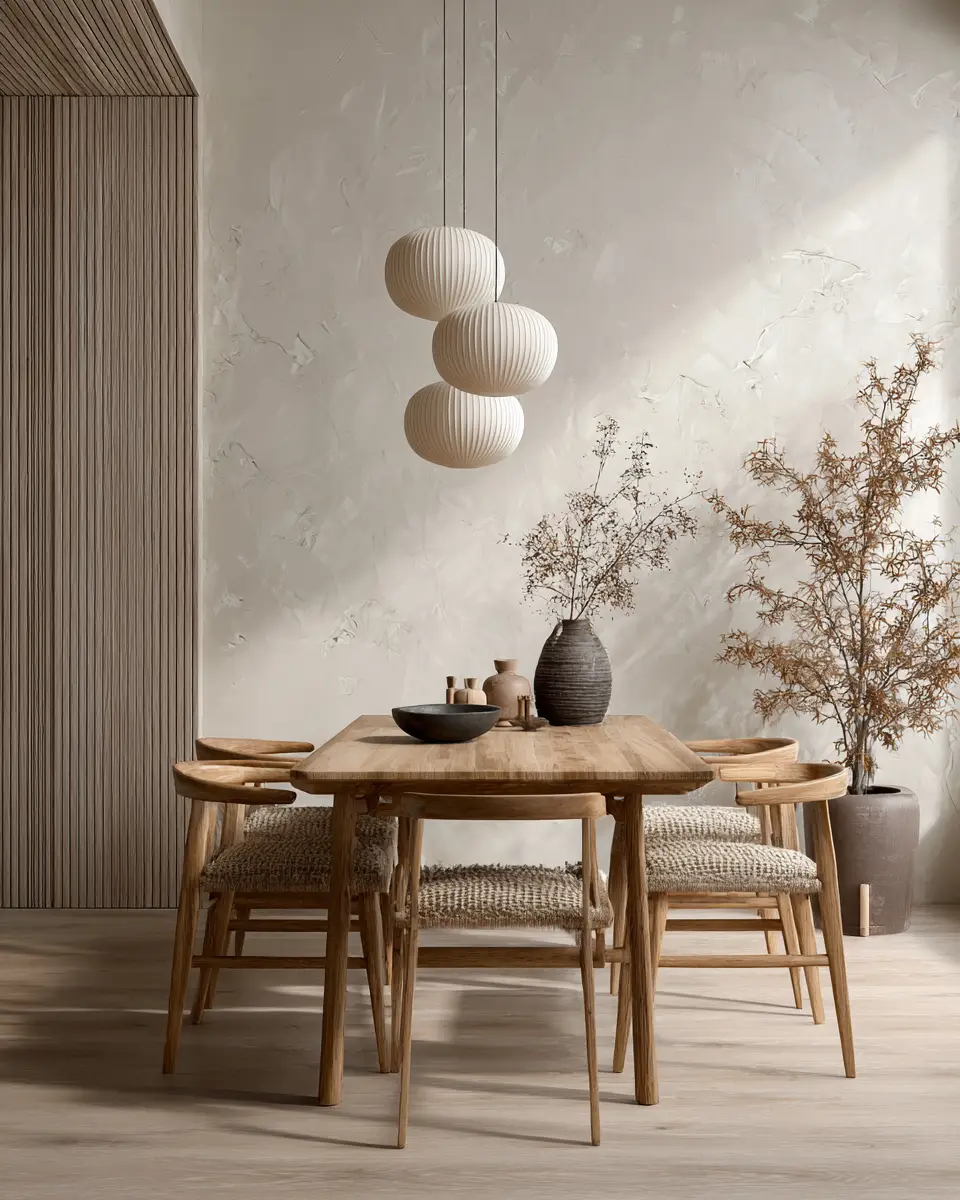
When planning the accent wall, ensure that it complements the other elements in the room, such as furniture and decor, to maintain a cohesive design. Neutral tones will work best to preserve the calm atmosphere.
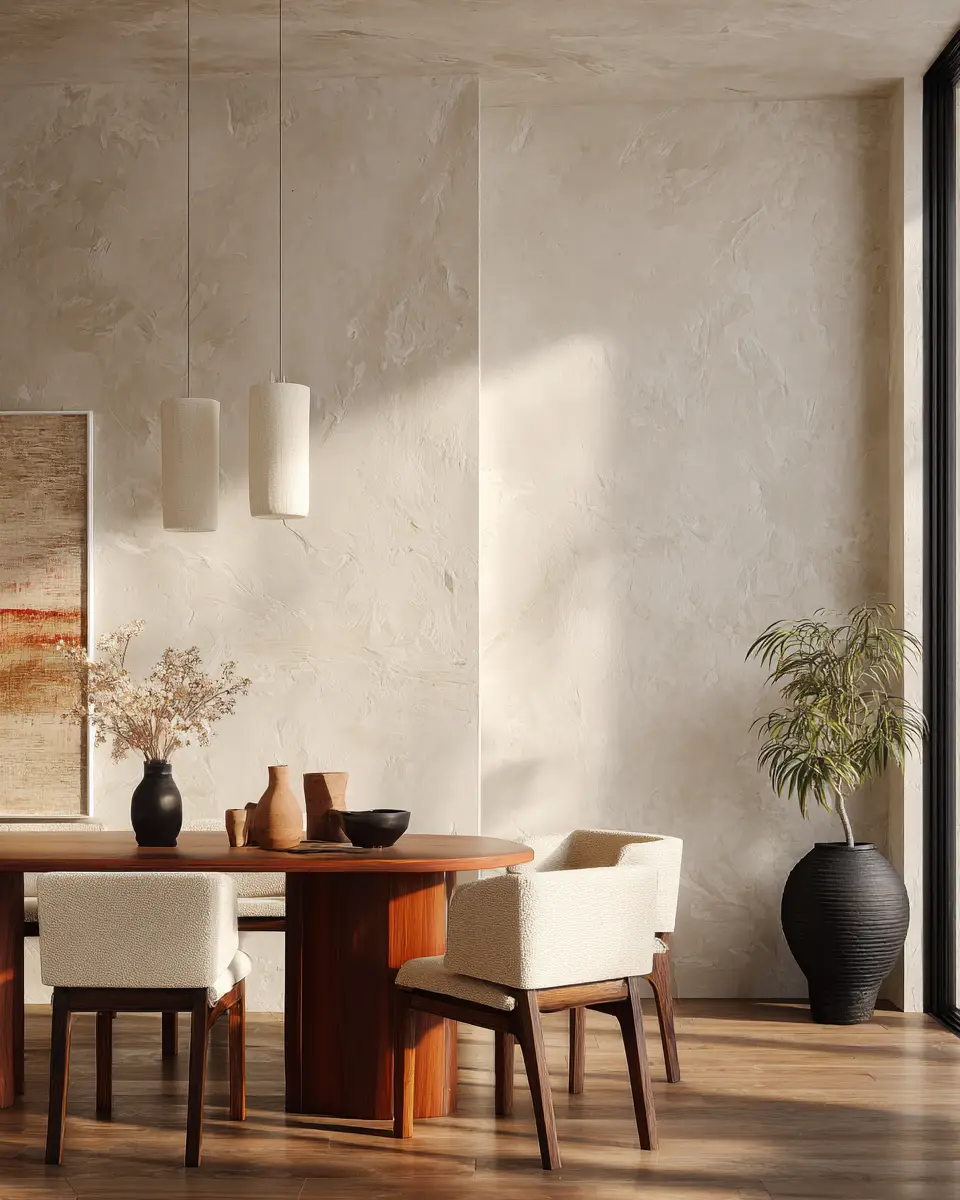
To further enhance the textured wall, you can hang a few simple, framed art pieces that echo the color scheme, allowing the wall to serve as a canvas for your style while keeping the focus on simplicity.
Eco-Friendly Materials
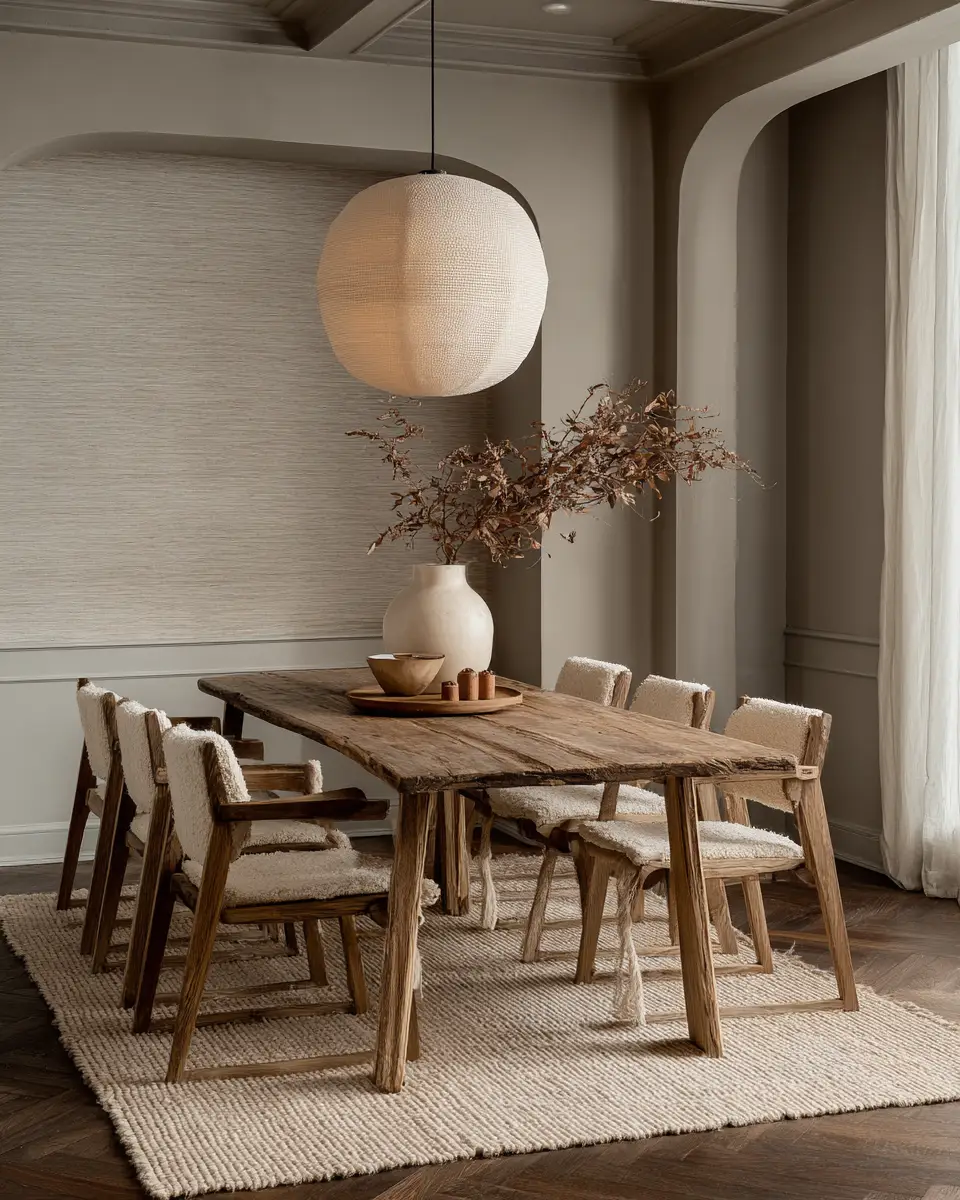
Incorporating sustainable materials like reclaimed wood and organic cotton throughout the decor showcases a commitment to eco-friendliness while aligning with the Japandi philosophy of mindfulness and sustainability. These materials not only reduce environmental impact but also provide a warm, inviting feel to your dining space.
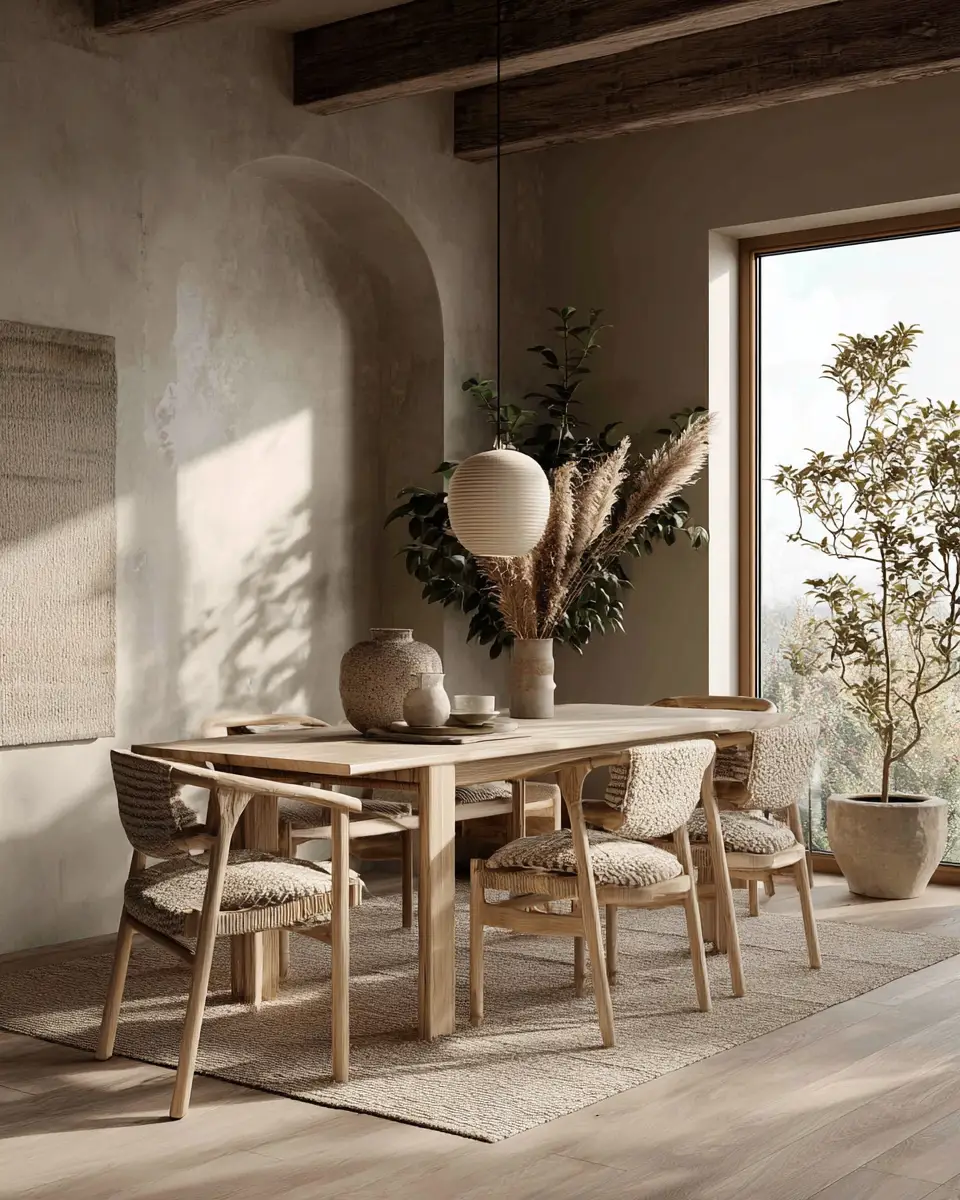
When selecting furniture and decor, look for items made from recycled or sustainably sourced materials. This adds character and a story to your space, fostering a deeper connection to your home.
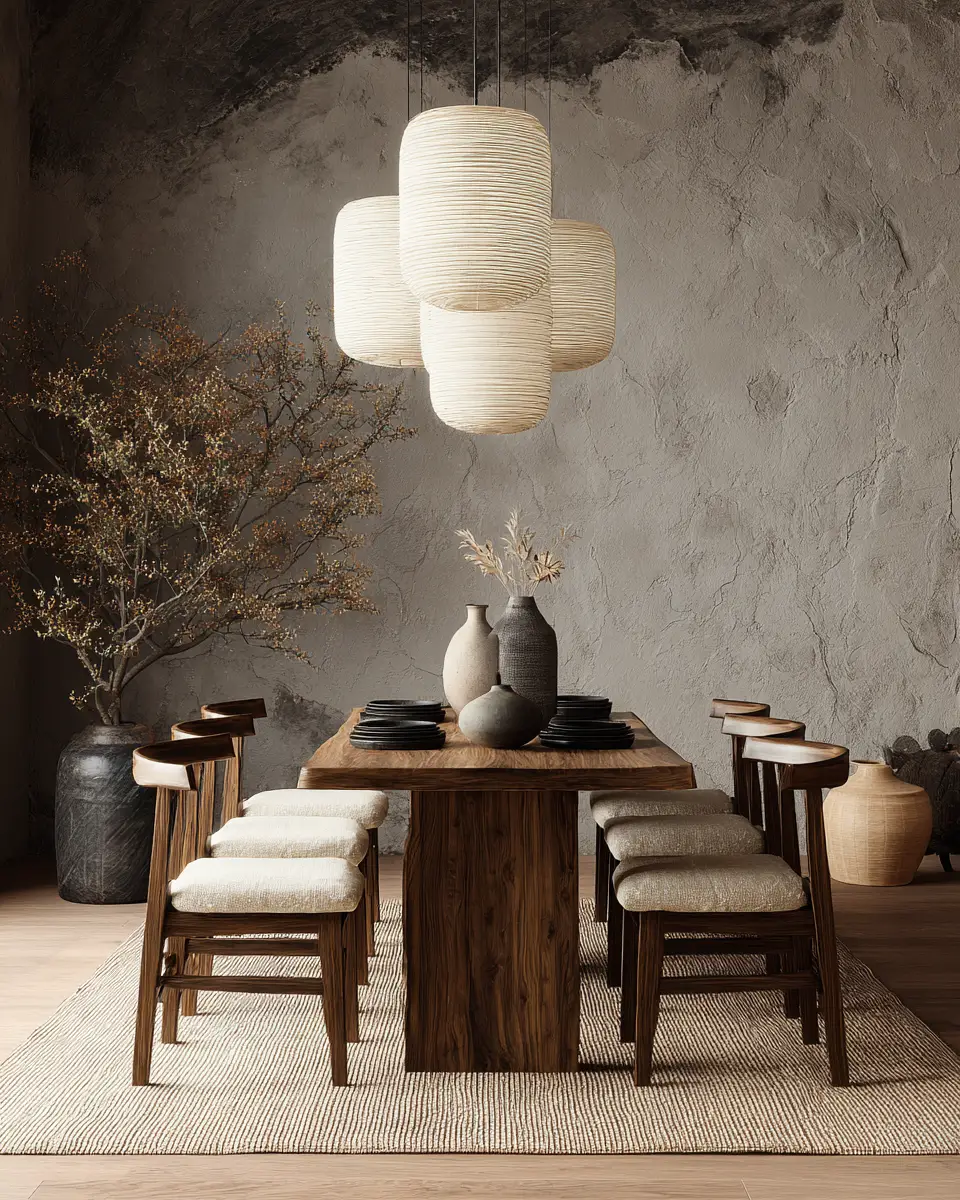
Using organic textiles for table settings, such as table runners or napkins, further promotes the eco-friendly theme. Choose muted colors and simple patterns to maintain the minimalist vibe.
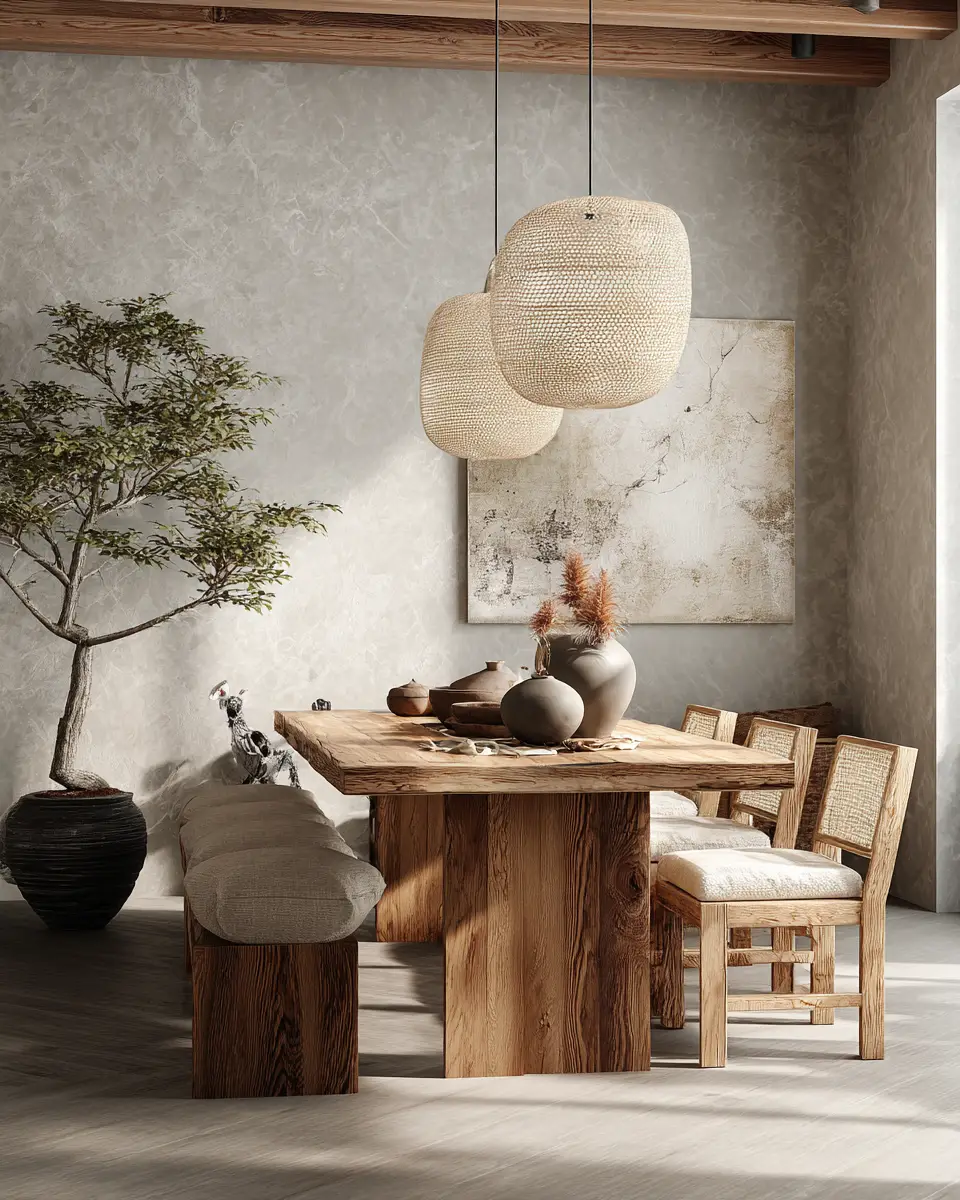
In addition to furniture, consider incorporating decor items made from natural materials, such as bamboo or stone, to enhance the organic feel and promote a sense of tranquility in your dining area.
Open Space Concept
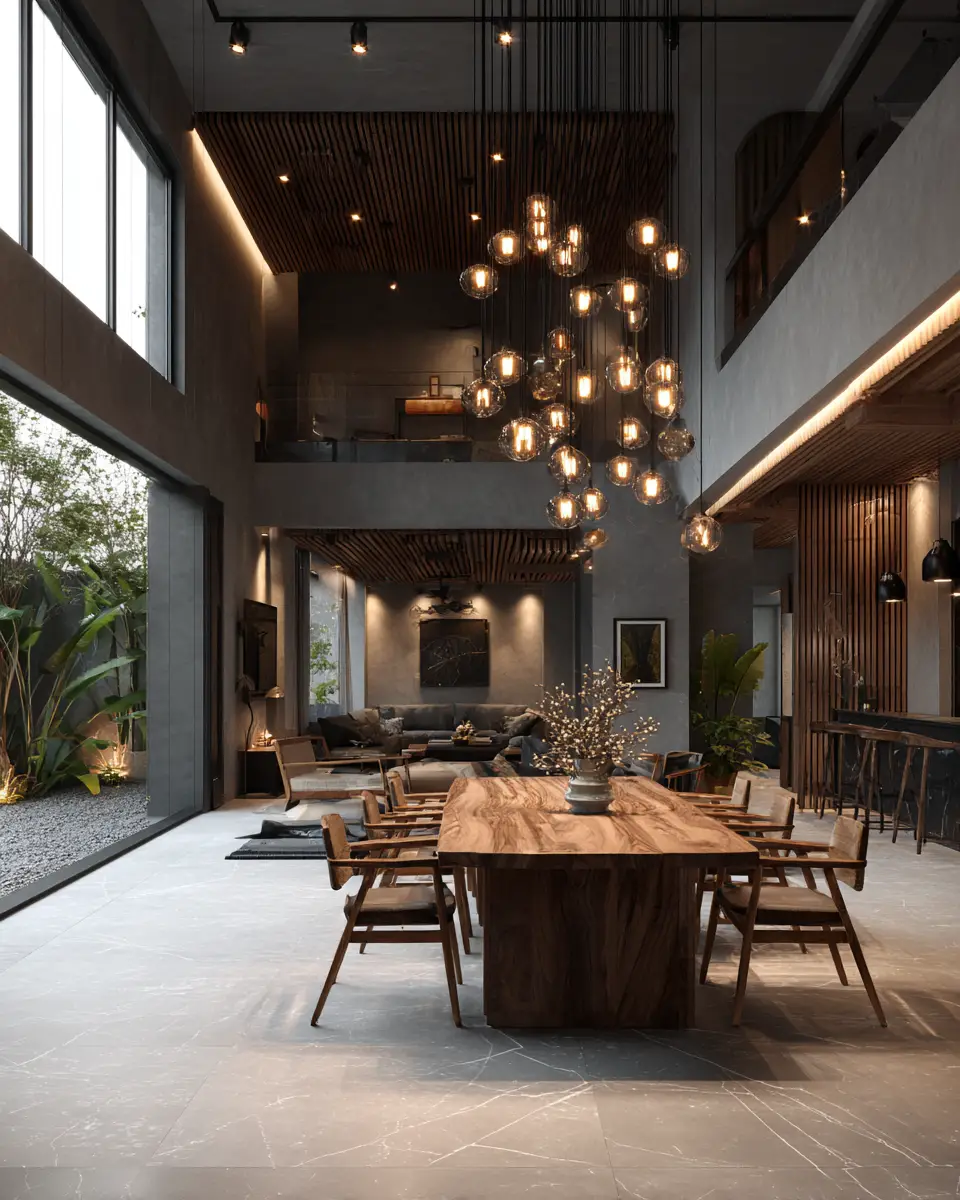
A thoughtfully arranged open dining area that flows seamlessly into an adjoining living space promotes an inviting atmosphere that encourages social interaction and a sense of community. This design approach emphasizes the importance of connection, aligning perfectly with the Japandi aesthetic.
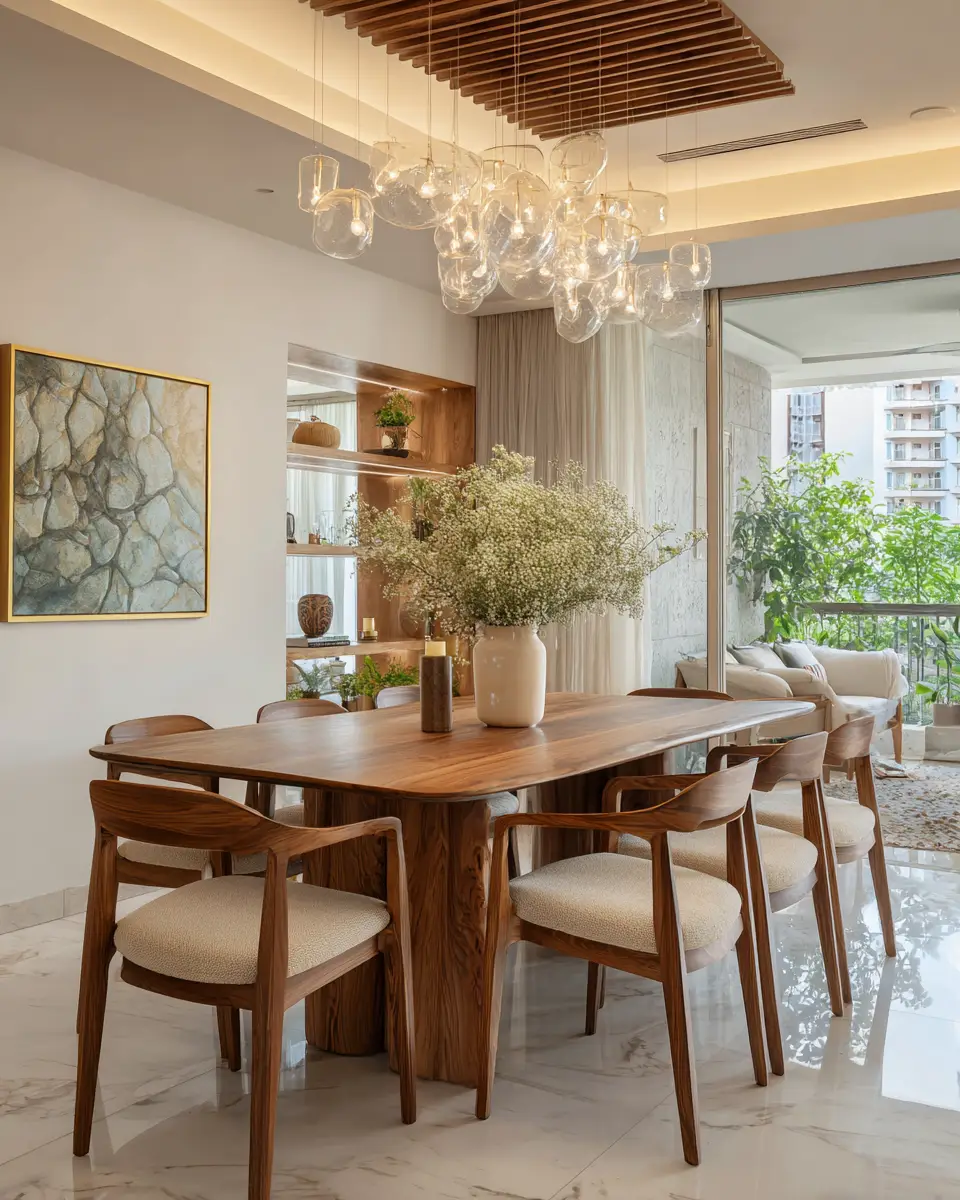
To achieve this look, consider using a consistent flooring material throughout both spaces, creating a seamless transition that visually expands the area. An open layout allows for natural light to flow freely, enhancing the airy feel.
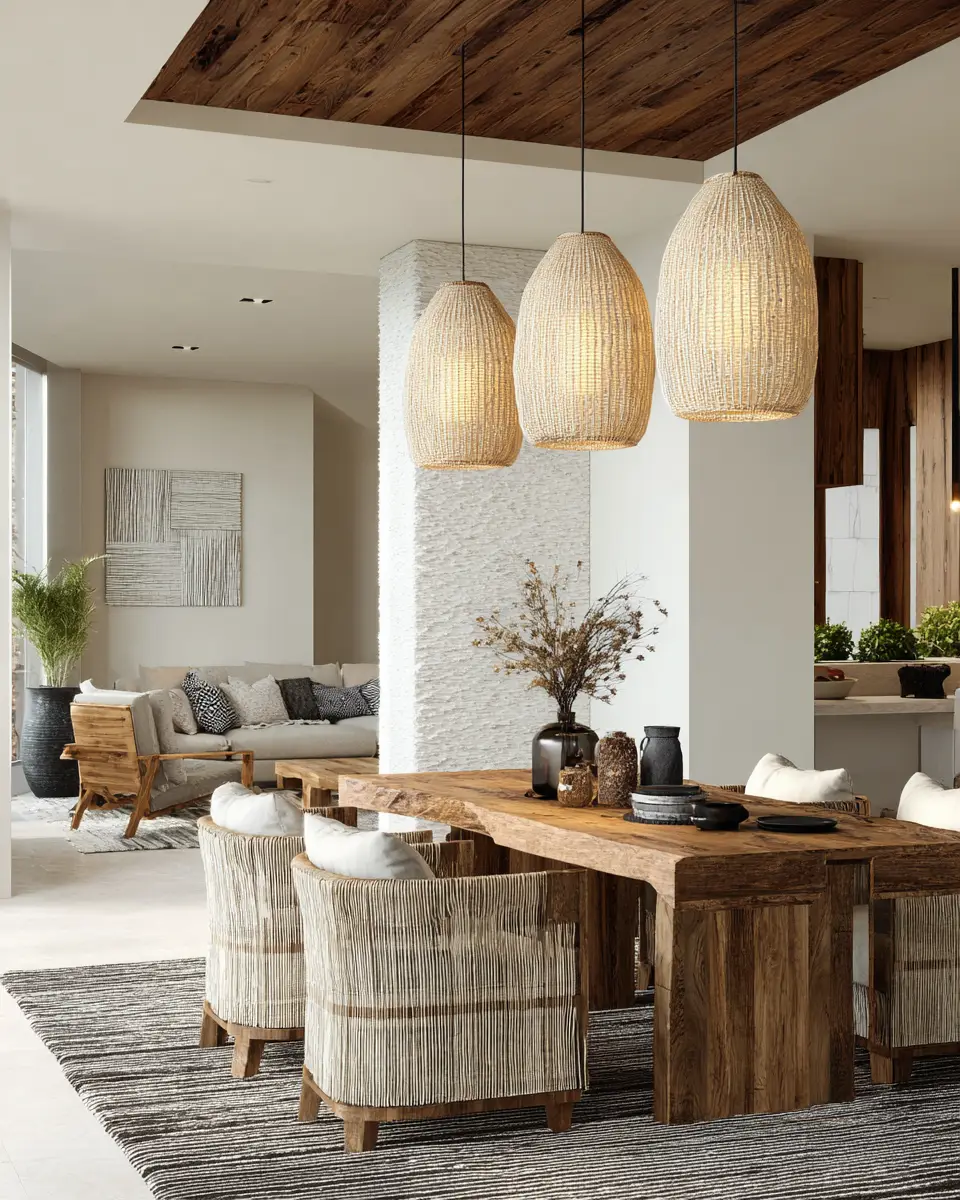
Positioning furniture in a way that promotes conversation is essential. A central dining table surrounded by comfortable chairs will invite guests to gather, fostering a sense of togetherness during meals.
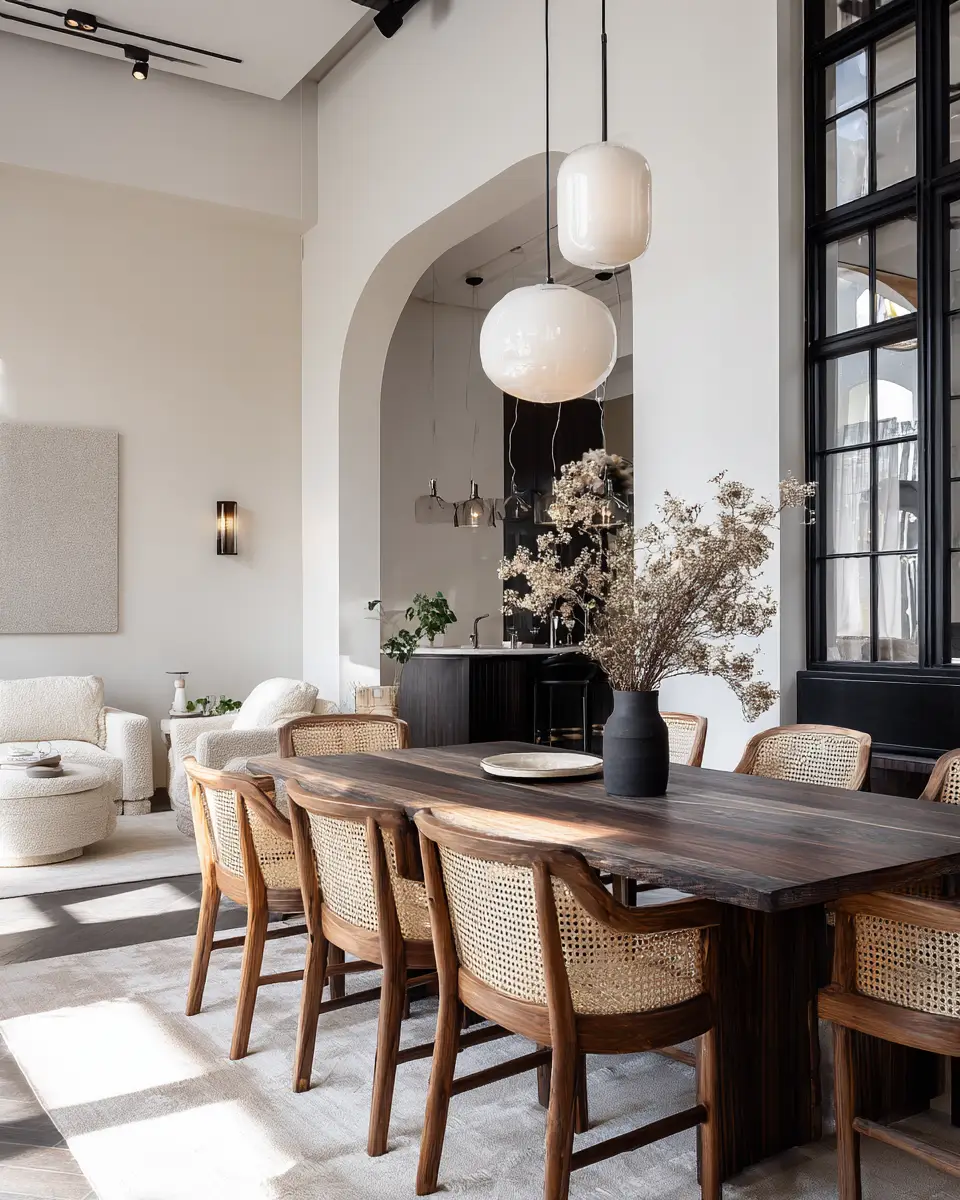
Incorporate decorative elements that tie the two spaces together, such as matching color palettes or shared textures, to maintain a cohesive look while celebrating the beauty of simplicity.
Organic Light Fixtures
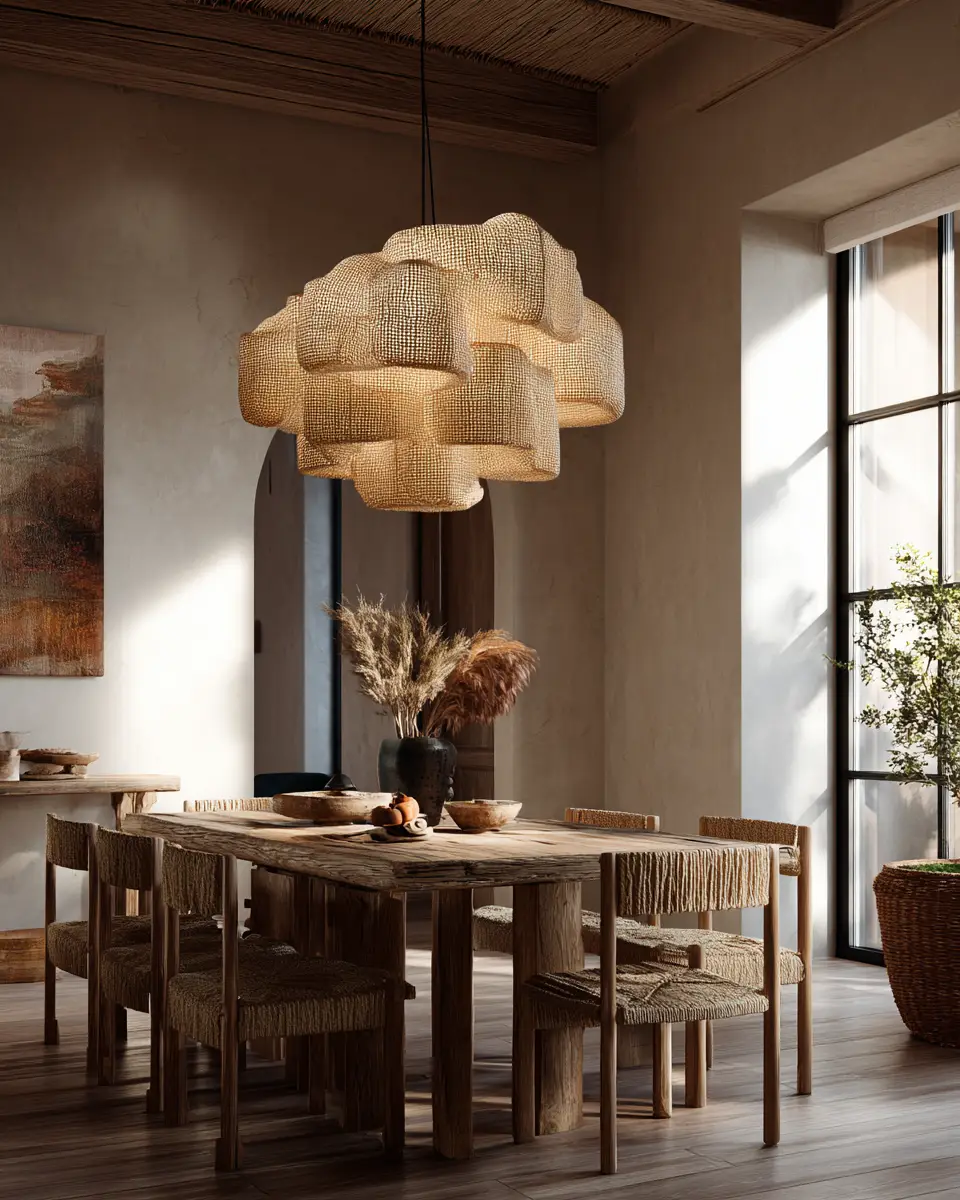
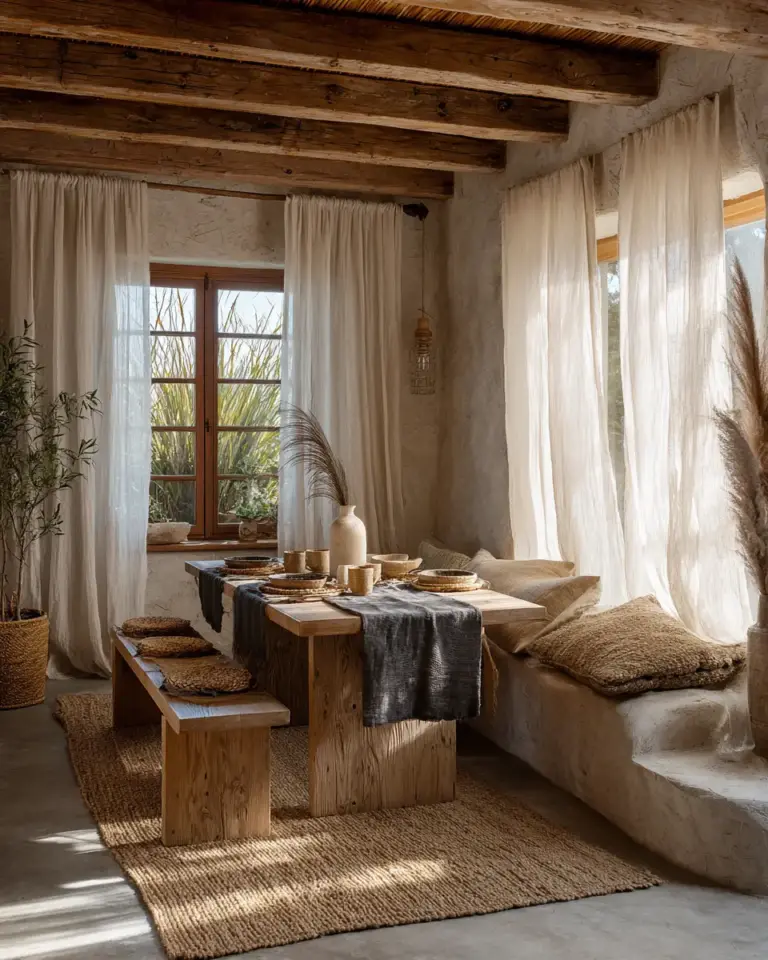
A sculptural pendant light made from woven natural fibers hanging above the dining table casts soft shadows and creates a cozy ambiance. This lighting choice harmonizes beautifully with the Japandi style, focusing on organic forms and natural materials.
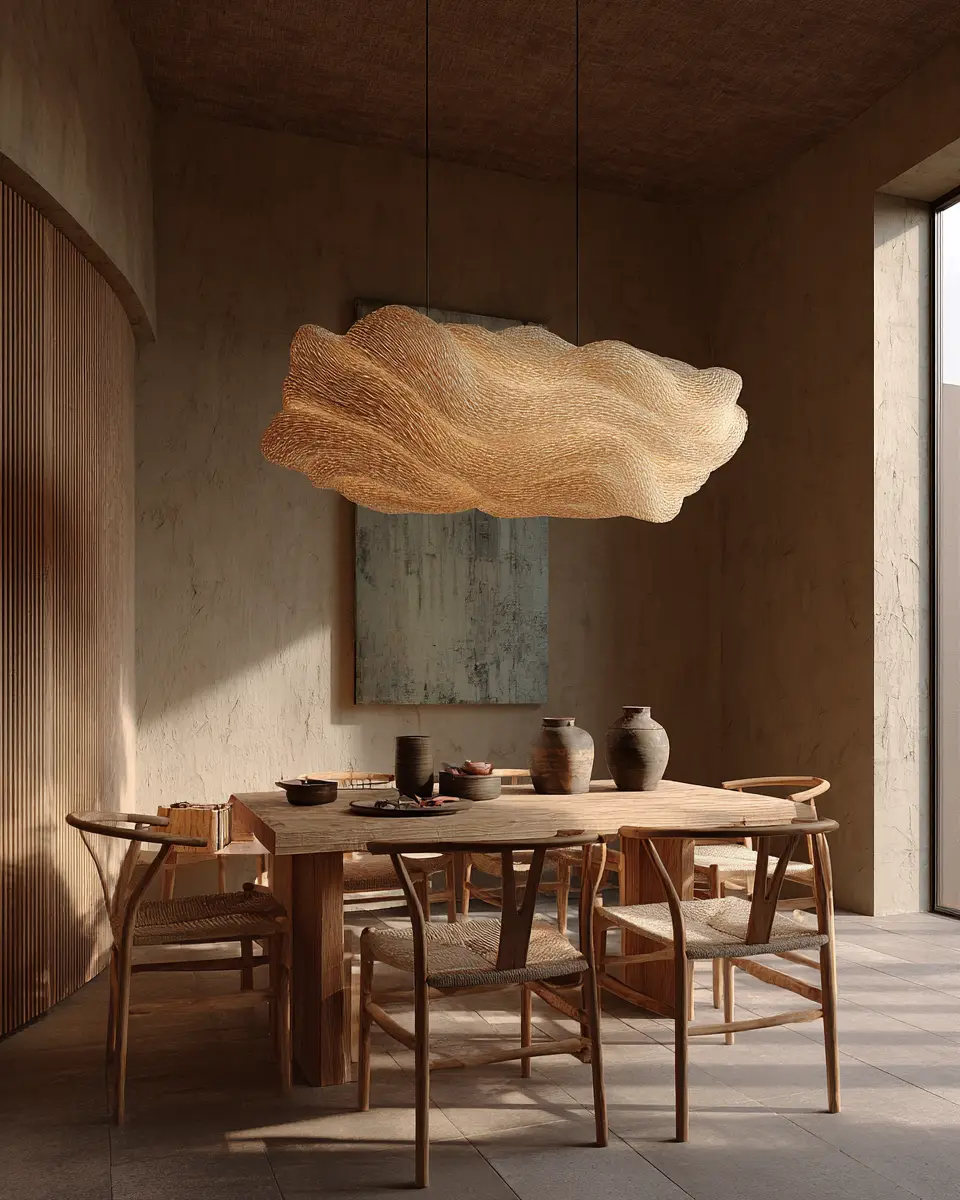
When selecting a light fixture, look for designs that complement the overall decor and enhance the warm tones of the ivory palette. A woven design will add a layer of texture that draws the eye upwards, creating visual interest in the space.
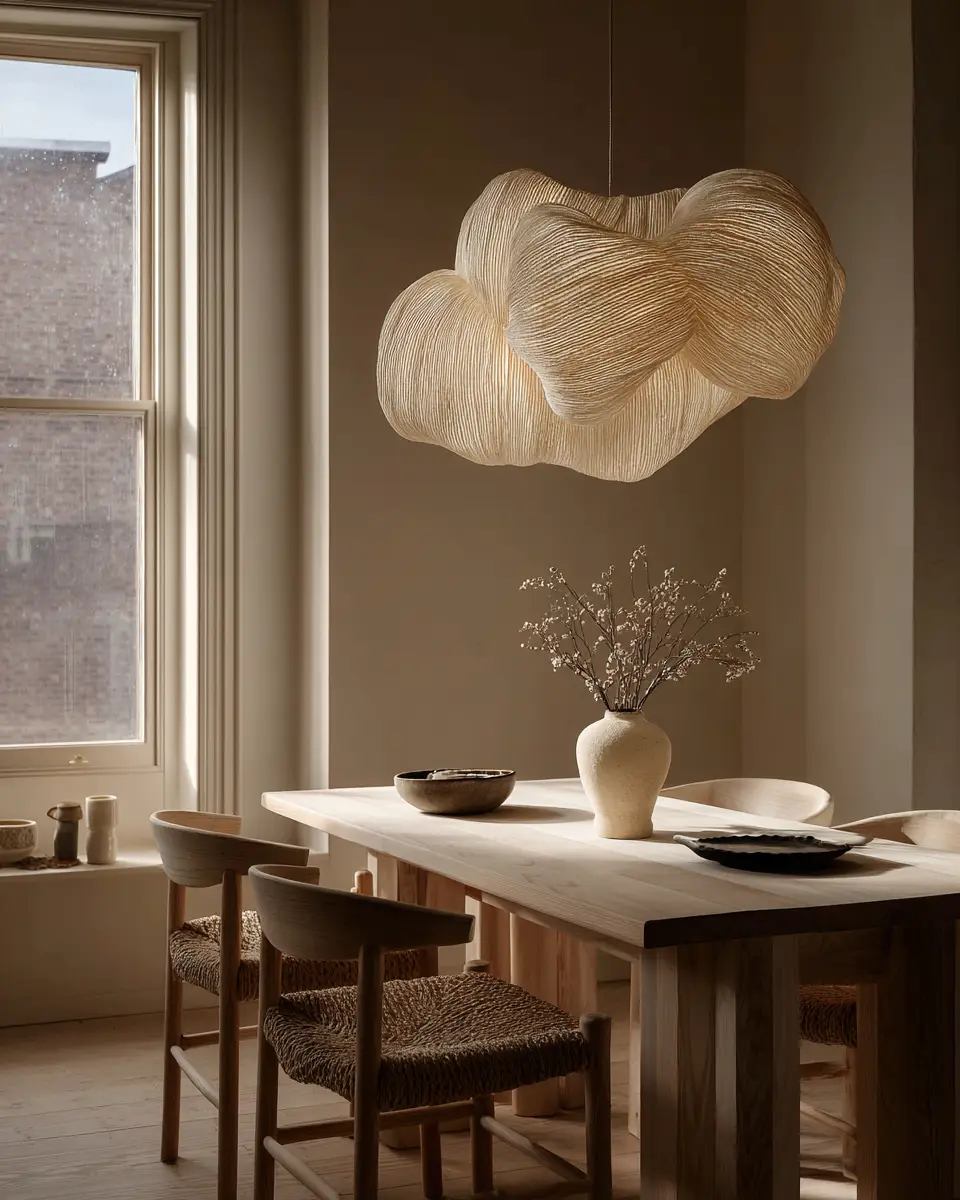
Consider installing dimmable lights to adjust the brightness according to the time of day or mood, allowing for a versatile dining experience. Soft lighting during dinner can create an intimate atmosphere, encouraging relaxation and conversation.
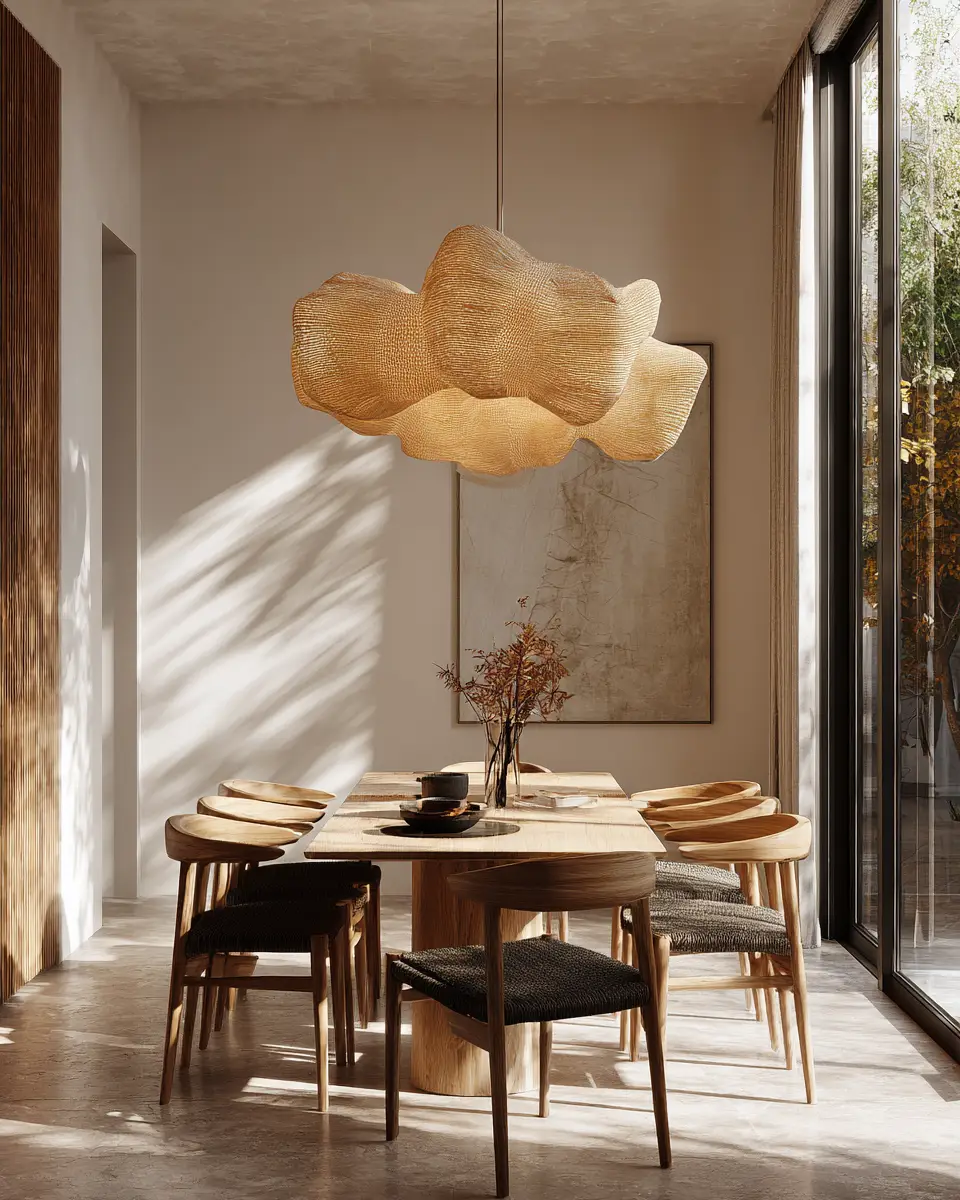
To further enhance the lighting, consider adding candles or soft accent lights on the dining table for a warm glow during evening meals, reinforcing the inviting ambiance.
Minimalist Table Setting
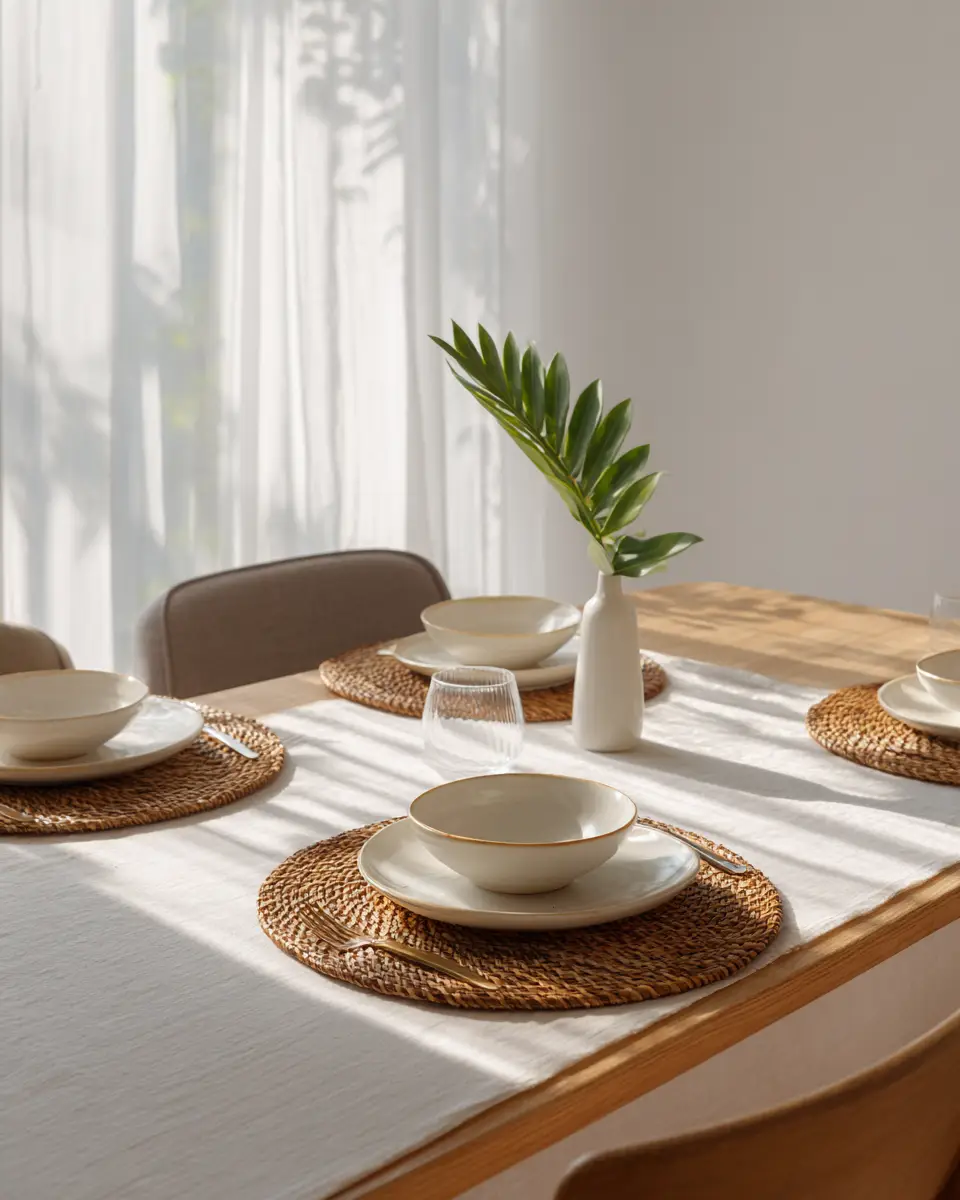
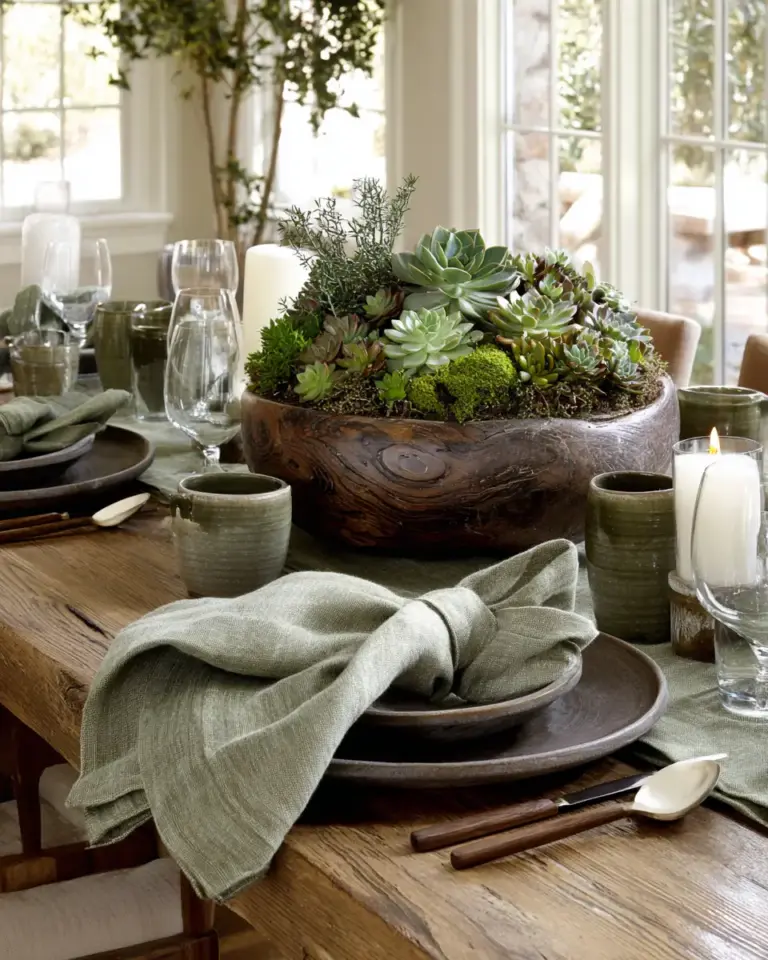
A clean, ivory dining table adorned with simple ceramic dishware and natural bamboo placemats creates a serene atmosphere that highlights the beauty of simplicity. This minimalist approach aligns perfectly with the Japandi style, focusing on quality over quantity.
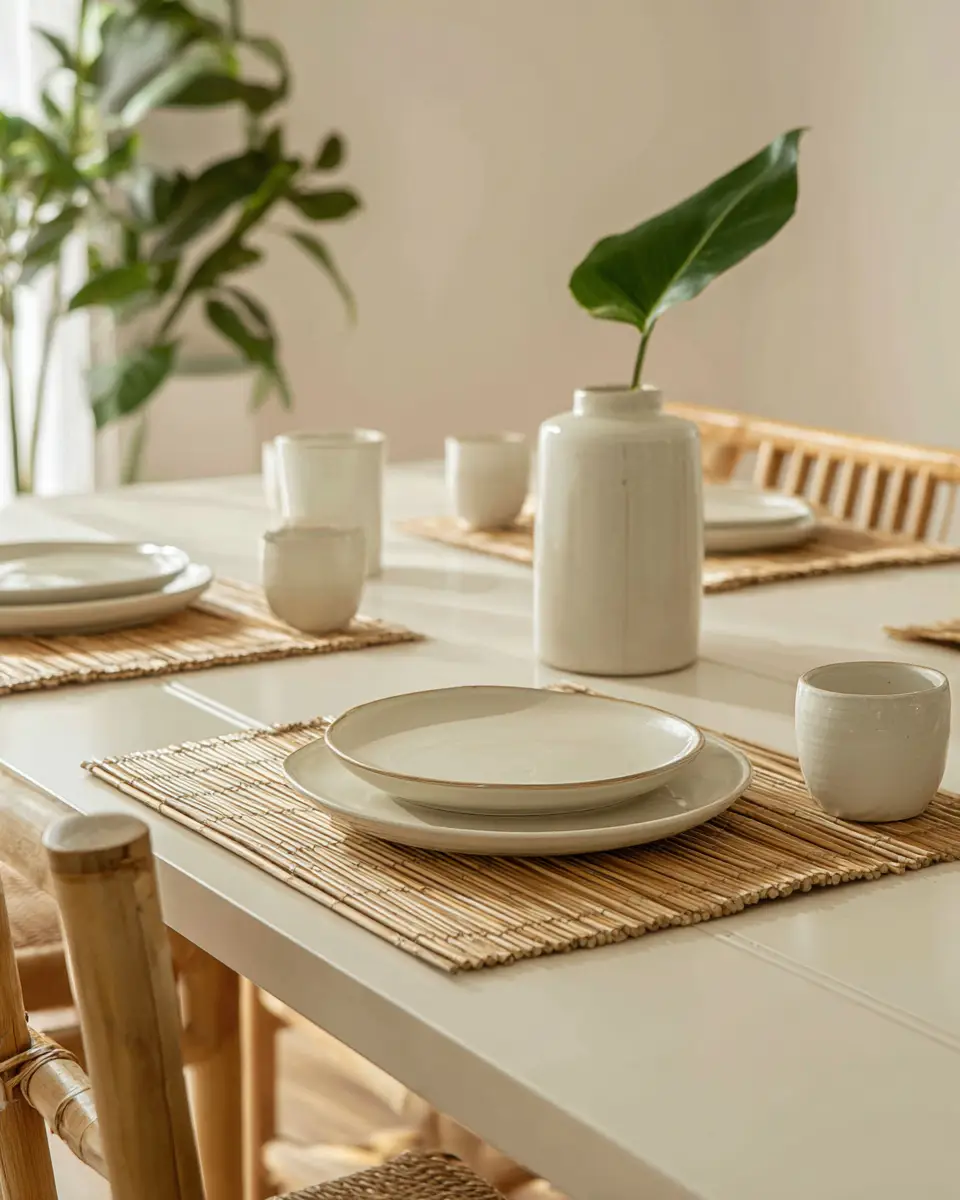
To achieve this look, choose dishware with clean lines and subtle textures, ensuring they complement the overall decor. Opt for a monochromatic palette to maintain a cohesive and understated elegance.
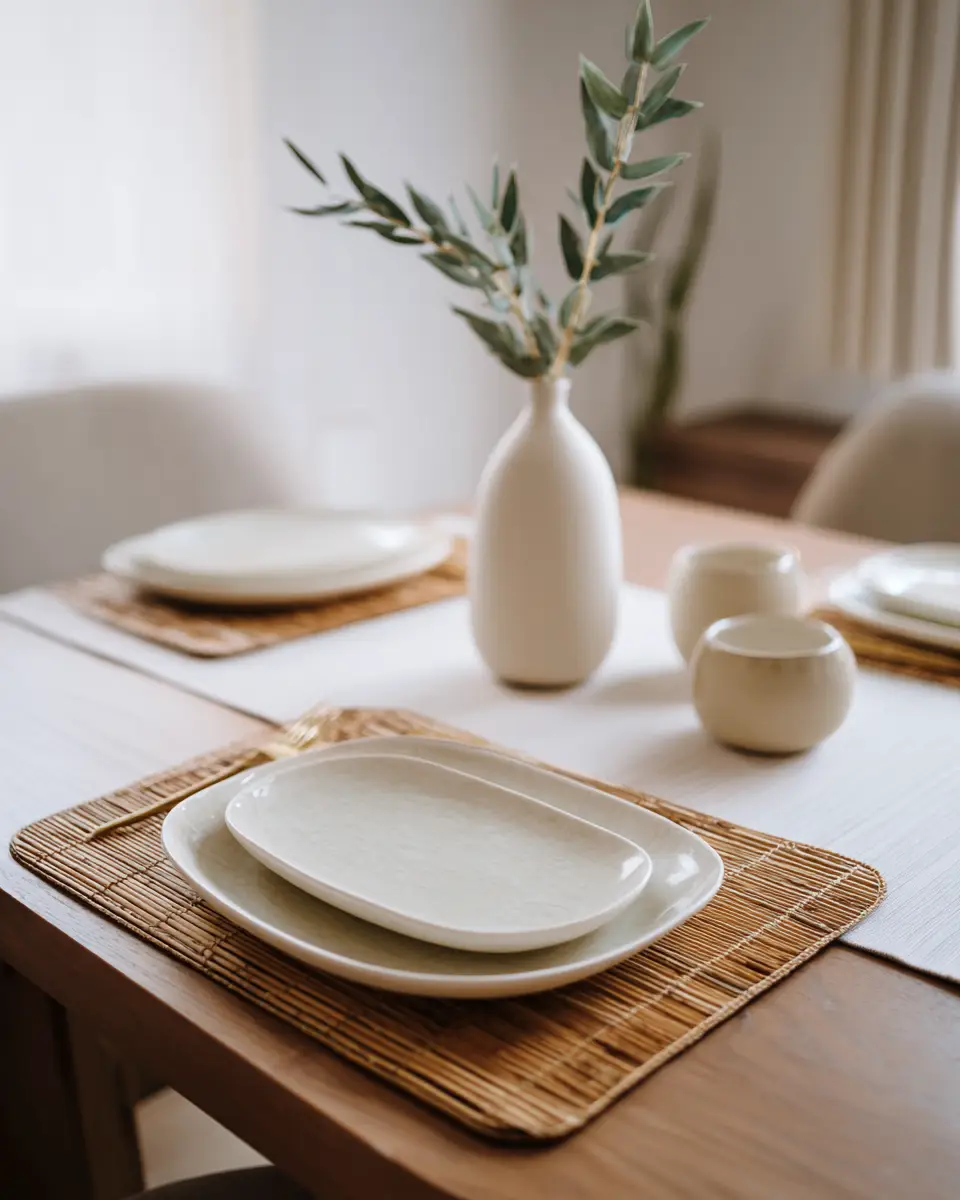
Incorporating natural bamboo placemats adds warmth and organic texture to the table setting, grounding the design in nature while keeping it refined. Layering these with soft linen napkins can further enhance the tactile experience.
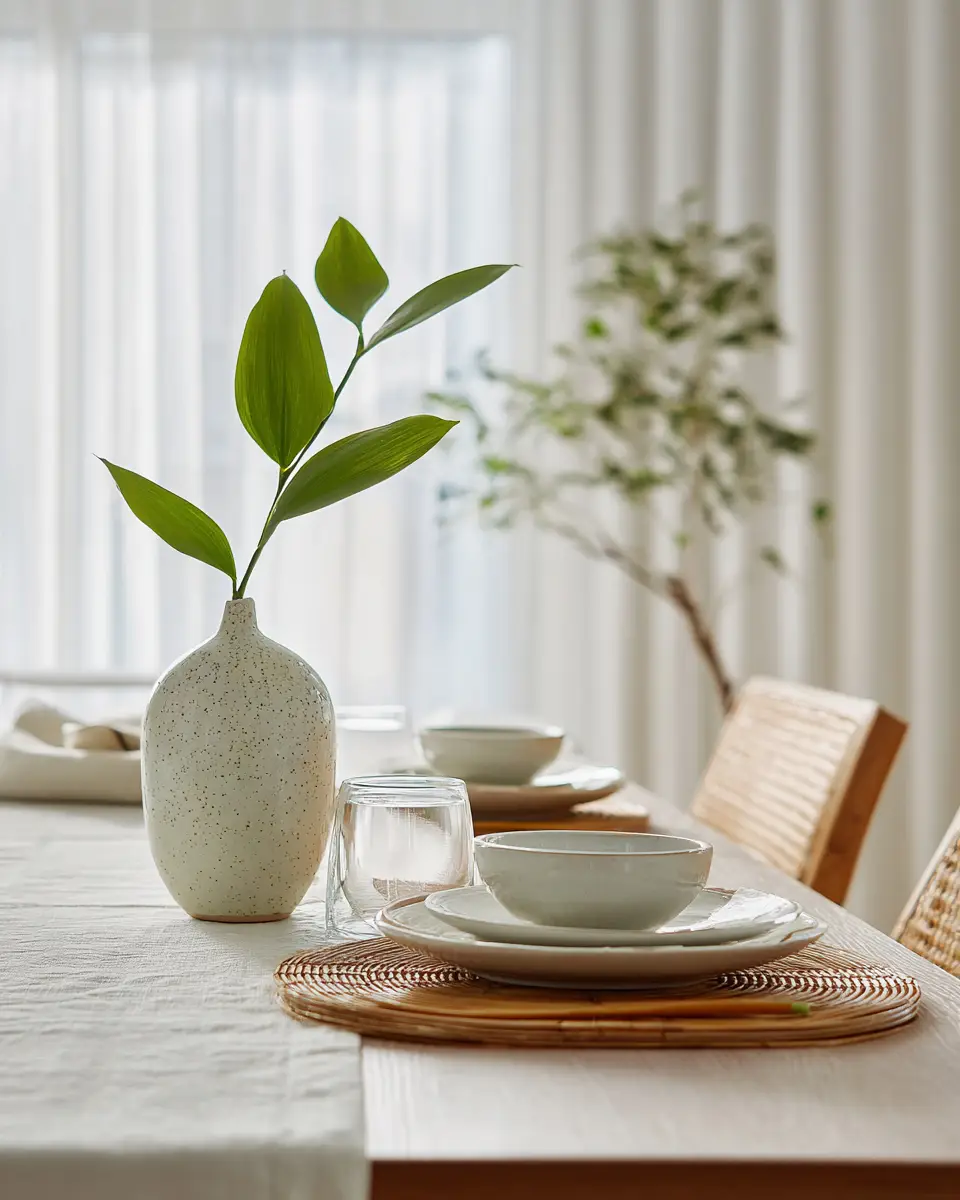
To finish the look, place a single green leaf in a minimalist vase at the center of the table, providing a fresh pop of color while maintaining the simplicity that defines the Japandi aesthetic.
Natural Light Play
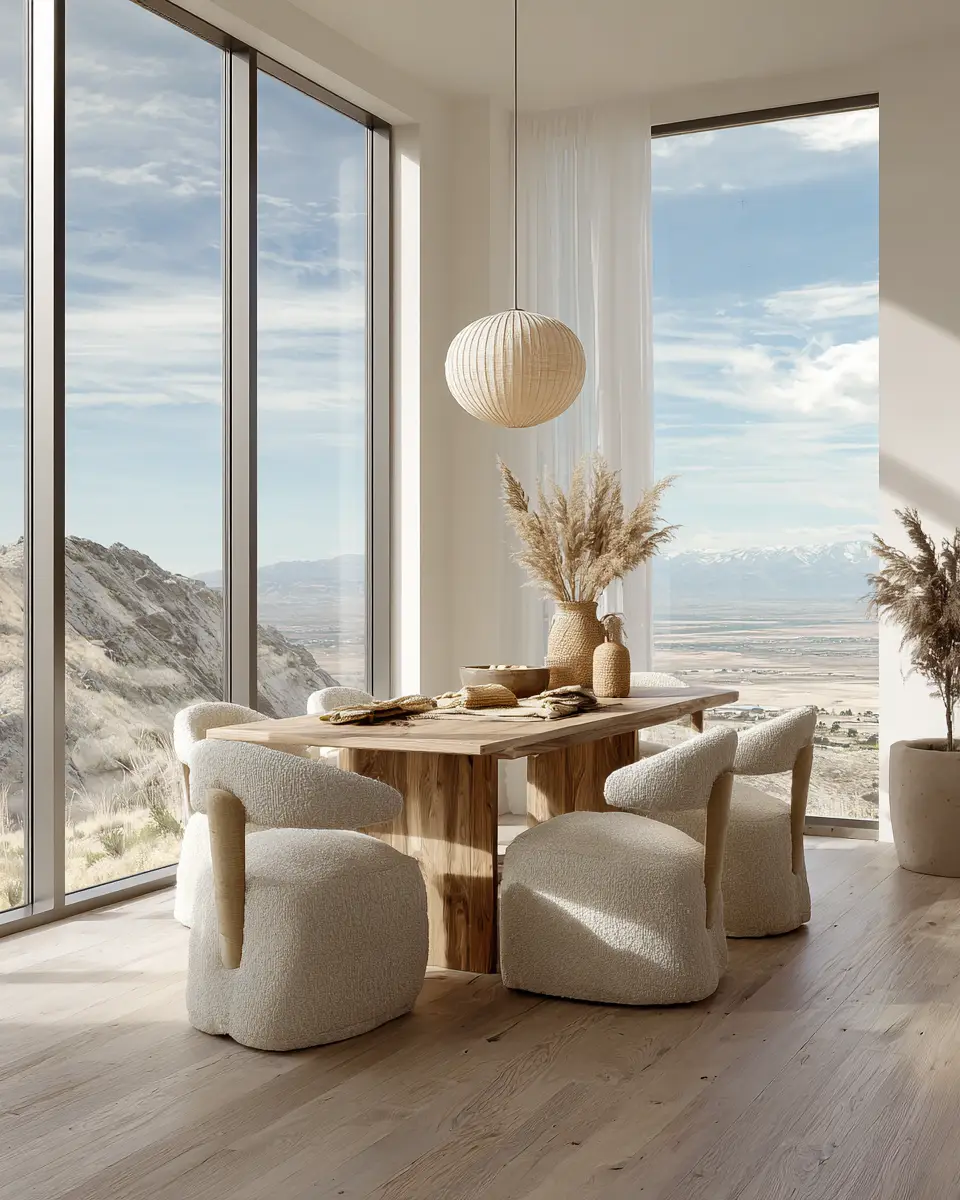
Large floor-to-ceiling windows allowing abundant natural light to pour in create a bright and airy feel that invites tranquility. This design element is essential in a Japandi dining room, as it enhances the connection with the outdoors.
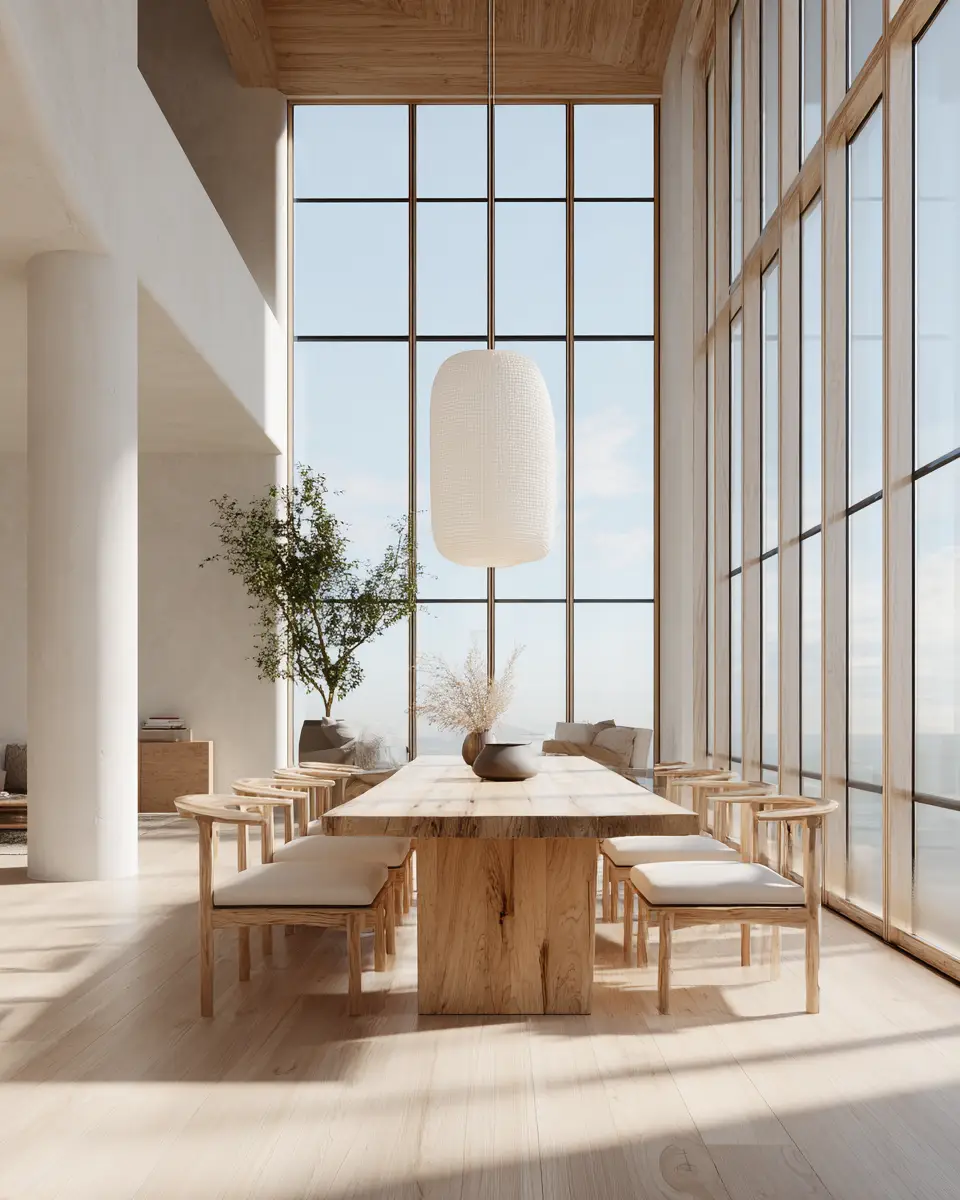
When planning your space, ensure that window treatments are light and airy, allowing for maximum light exposure while still providing privacy. Sheer curtains or simple blinds can enhance the aesthetic without overwhelming the design.
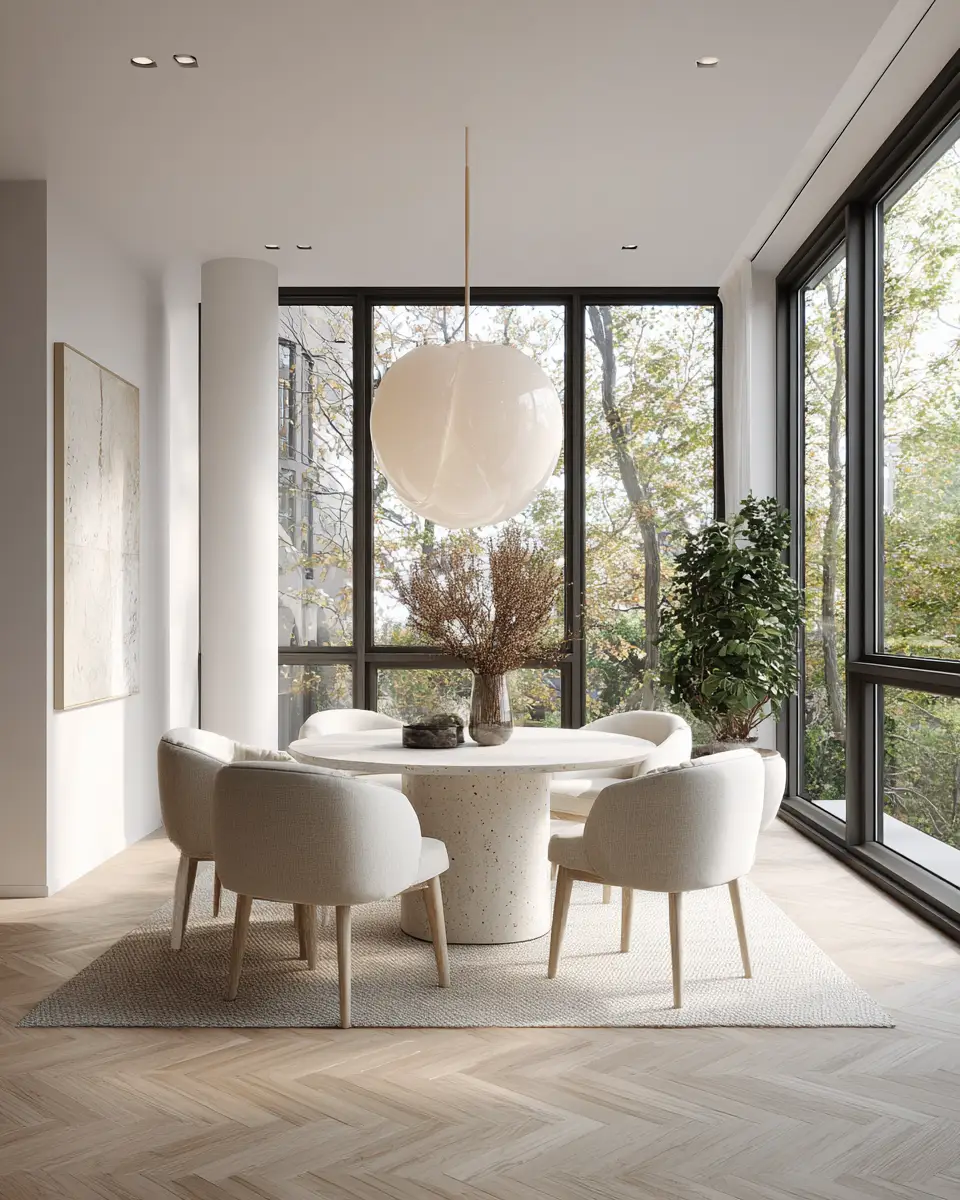
Positioning the dining table near the windows not only allows for beautiful views but also creates a vibrant atmosphere, perfect for daytime meals with family and friends. This placement fosters a sense of openness and connection to nature.
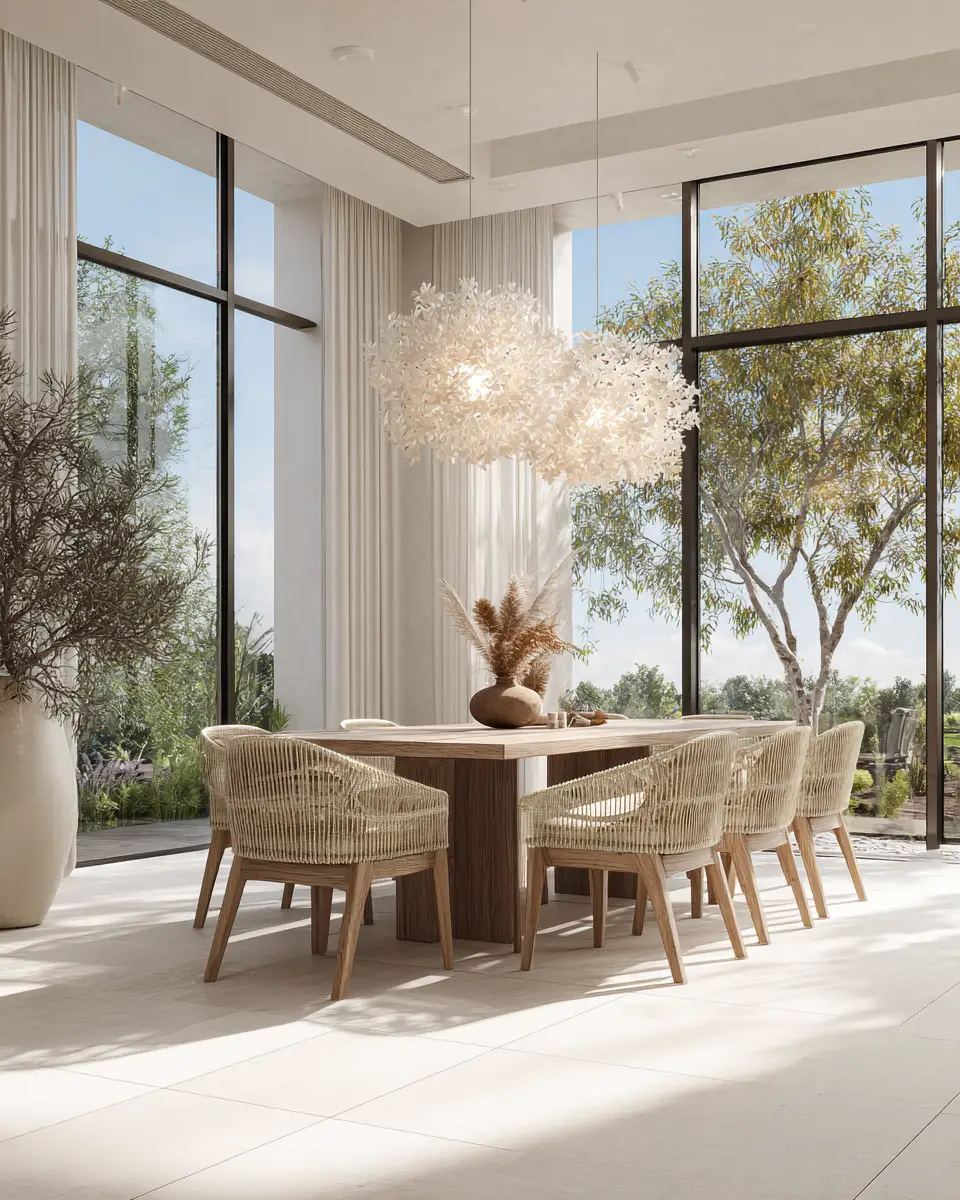
To further enhance the play of natural light, consider using mirrors strategically placed across from the windows to reflect light and create a sense of depth within the space.
Statement Art Piece
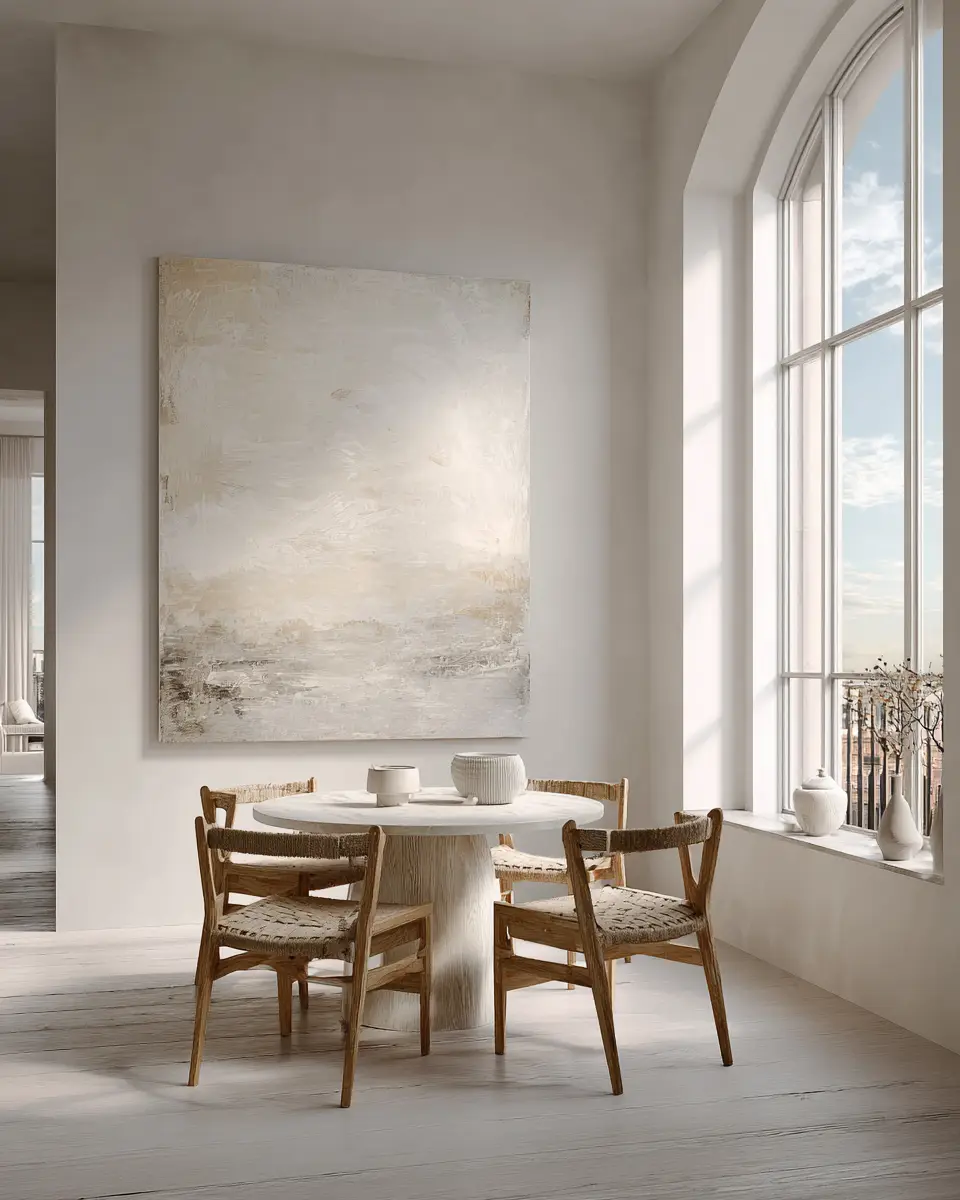
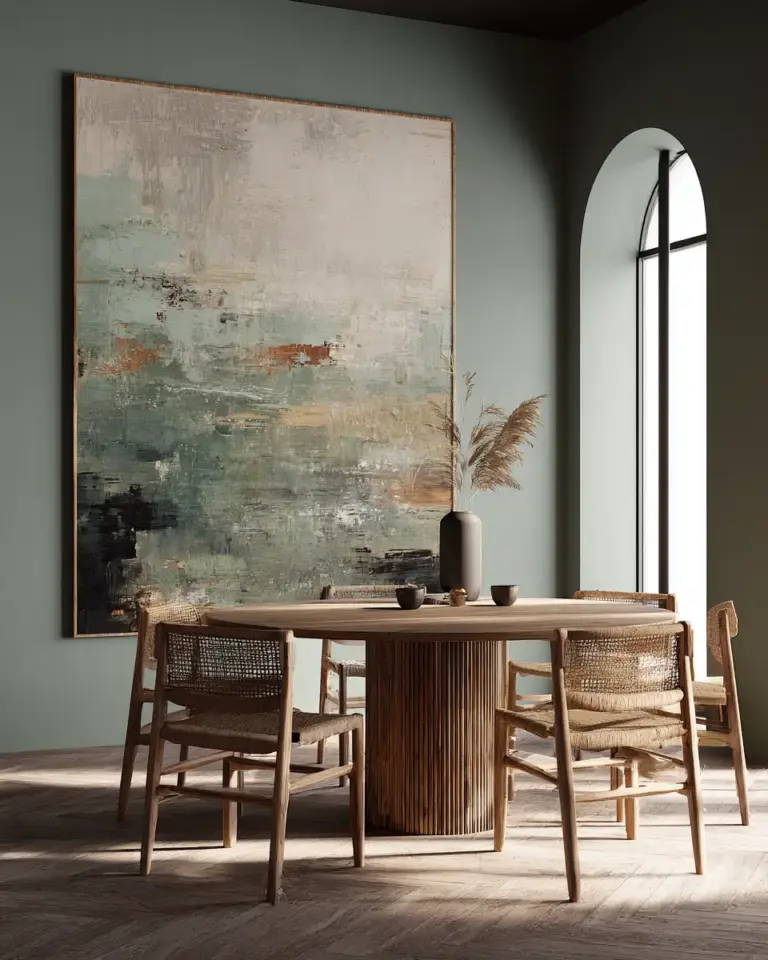
An oversized abstract artwork in soft ivory tones hanging on one wall provides a focal point that draws the eye while maintaining the serene and uncluttered aesthetic of the space. This art piece can serve as a conversation starter and elevate the overall design.
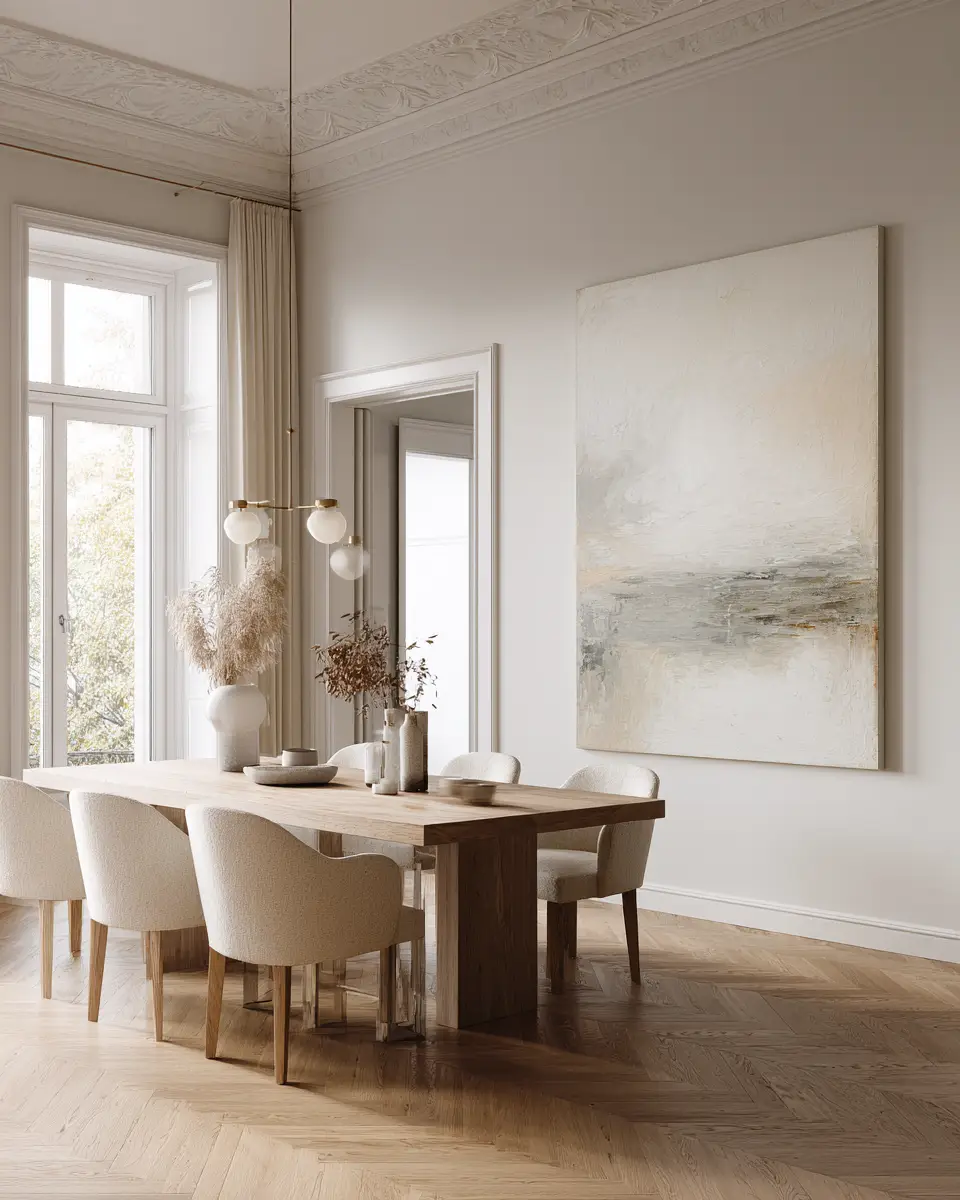
When selecting the artwork, choose pieces that resonate with your personal style while blending seamlessly with the color palette. Soft, muted tones will enhance the calming atmosphere, ensuring it complements rather than competes with the decor.
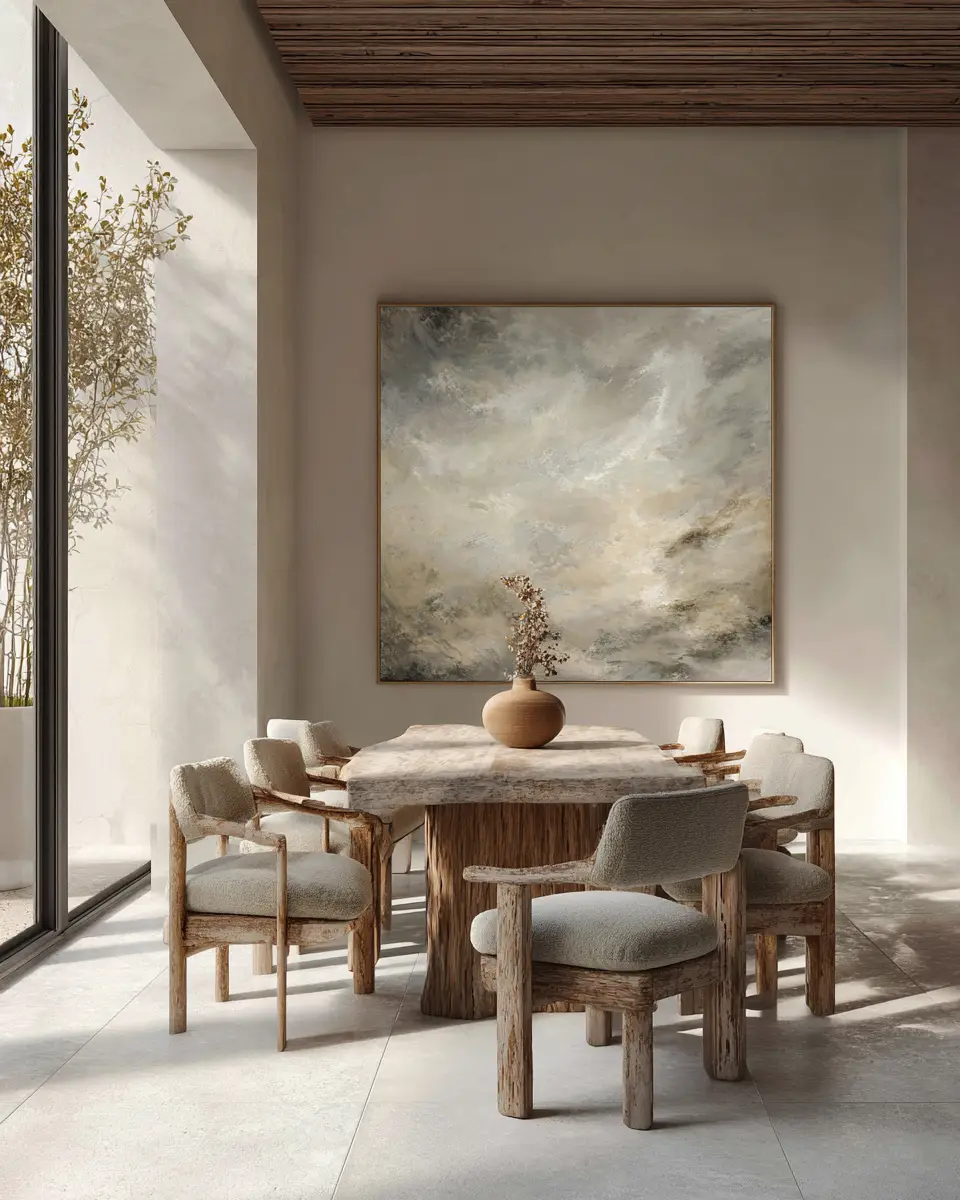
Consider framing the artwork in a simple, natural wood frame to maintain the minimalist aesthetic while adding a touch of warmth. The frame should harmonize with the other wooden elements in the dining room.
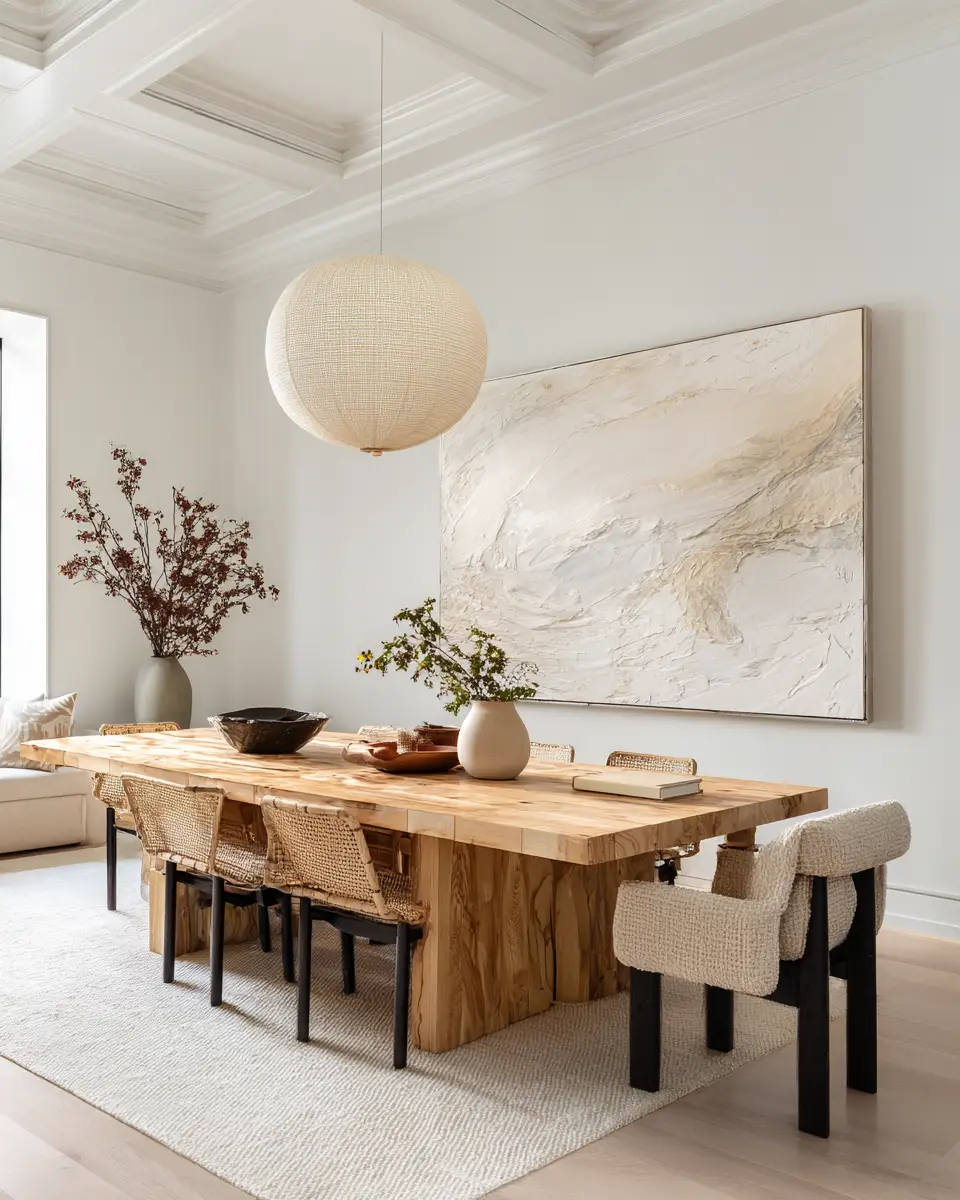
Position the artwork at eye level for maximum impact, ensuring that it becomes an integral part of the dining experience, inspiring creativity and conversation among guests.
Botanical Touches
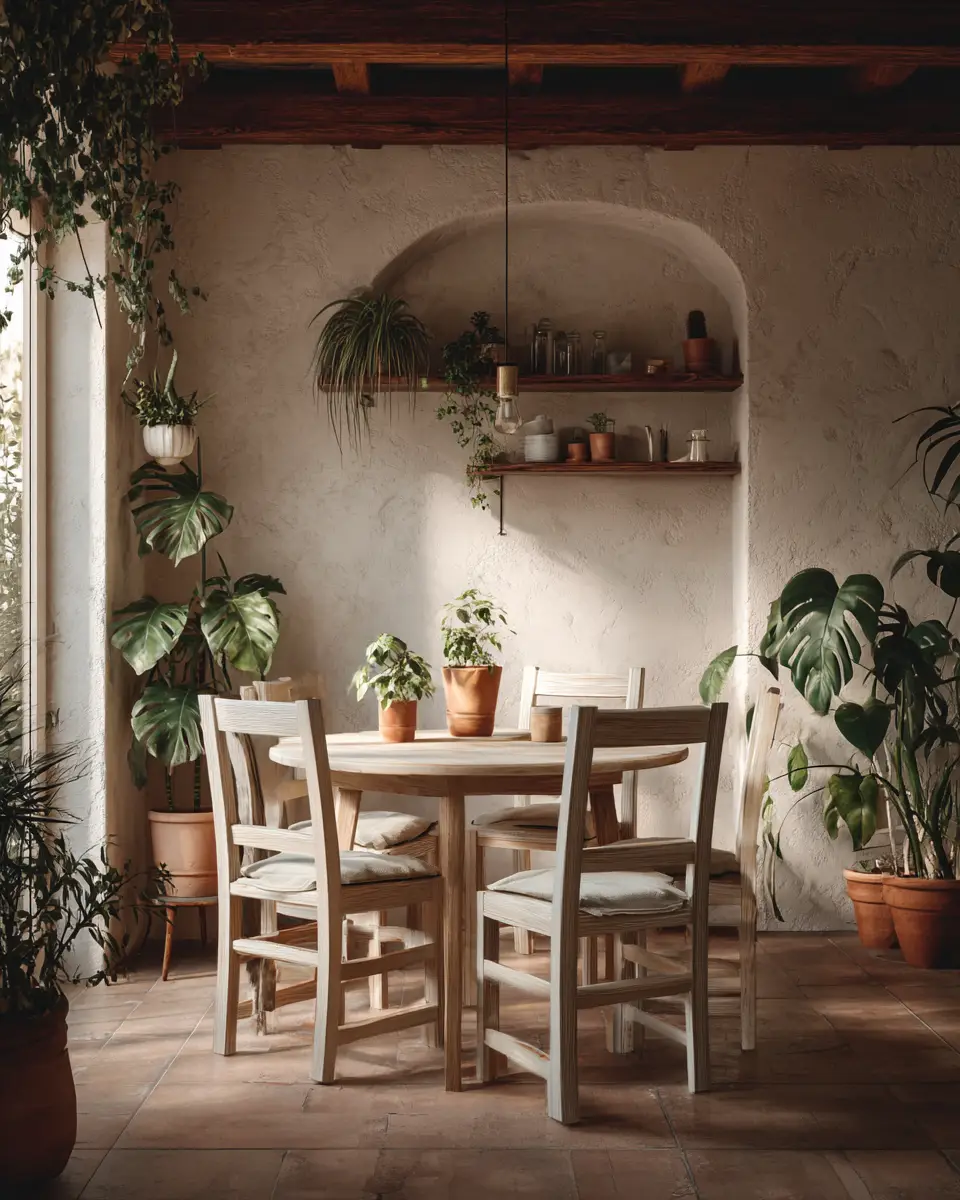
Strategically placed potted plants in simple, terracotta pots around the dining area bring a touch of nature indoors and enhance the Japandi emphasis on organic forms and life. These botanical elements can significantly improve the overall ambiance of the space.
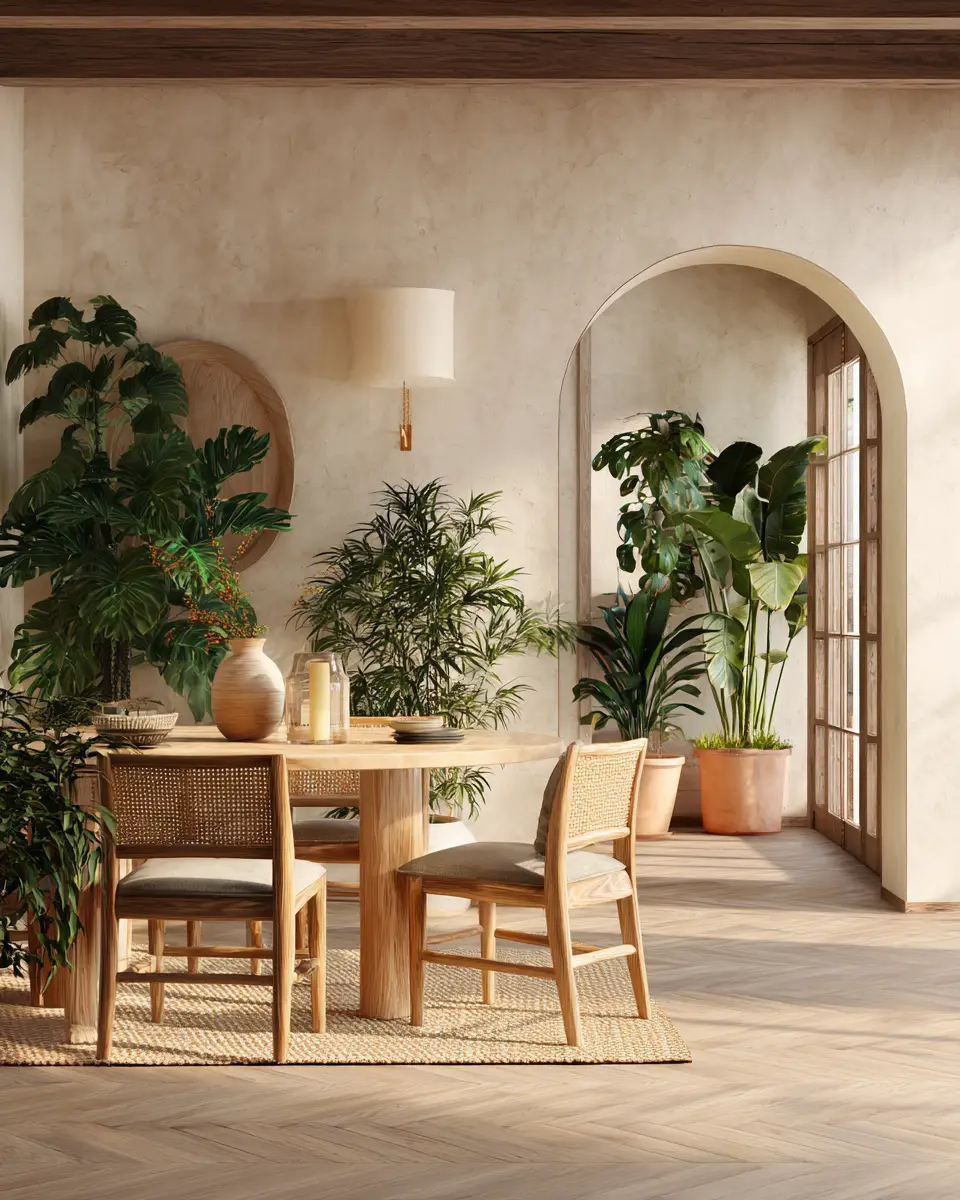
When selecting plants, opt for low-maintenance varieties that thrive in indoor environments, such as snake plants or pothos. Their lush greenery will provide a refreshing contrast to the ivory tones, promoting a sense of calm.
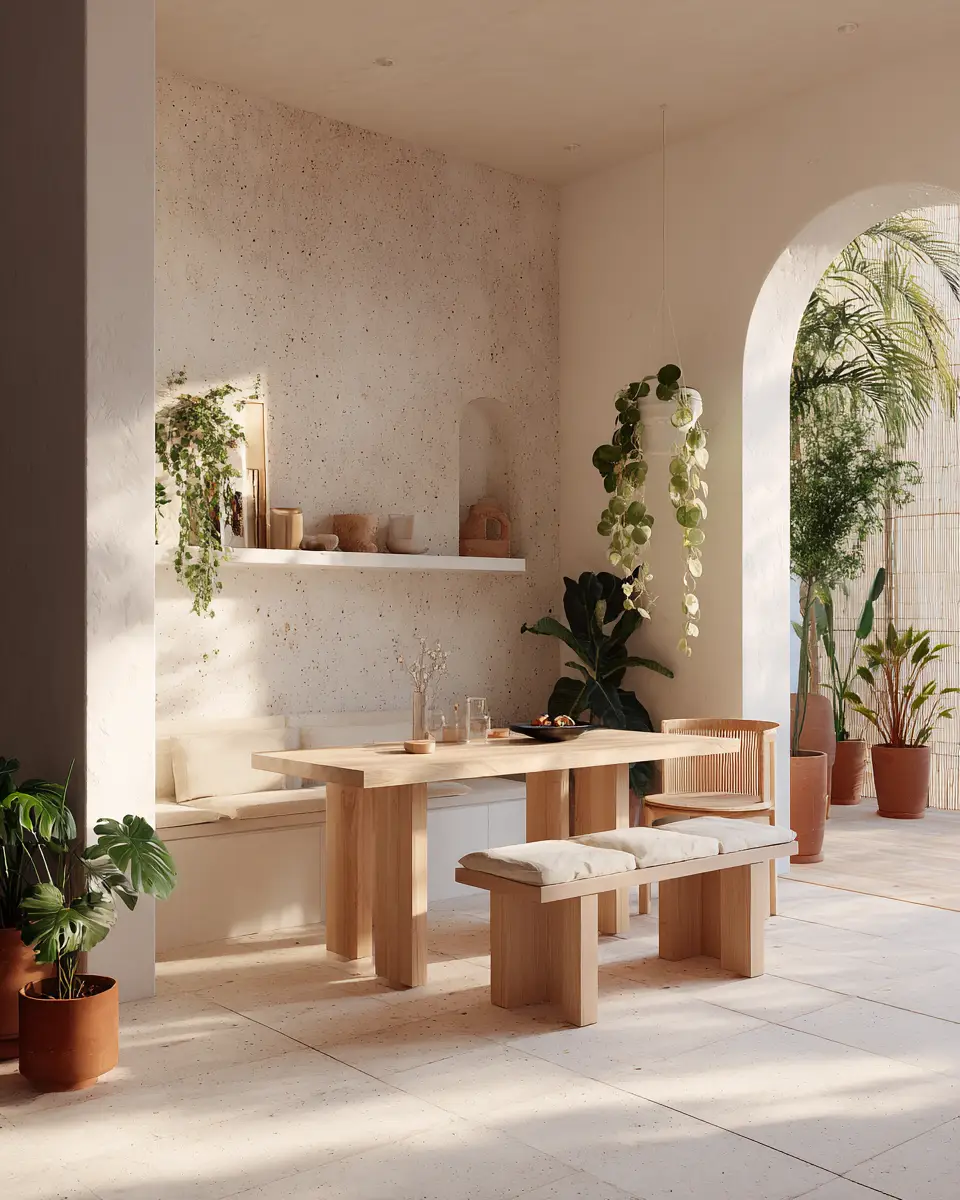
Position the plants in corners or on the sideboard to create visual interest and balance in the room. Grouping them in clusters can add depth, while varying the heights of the pots will create a dynamic look.
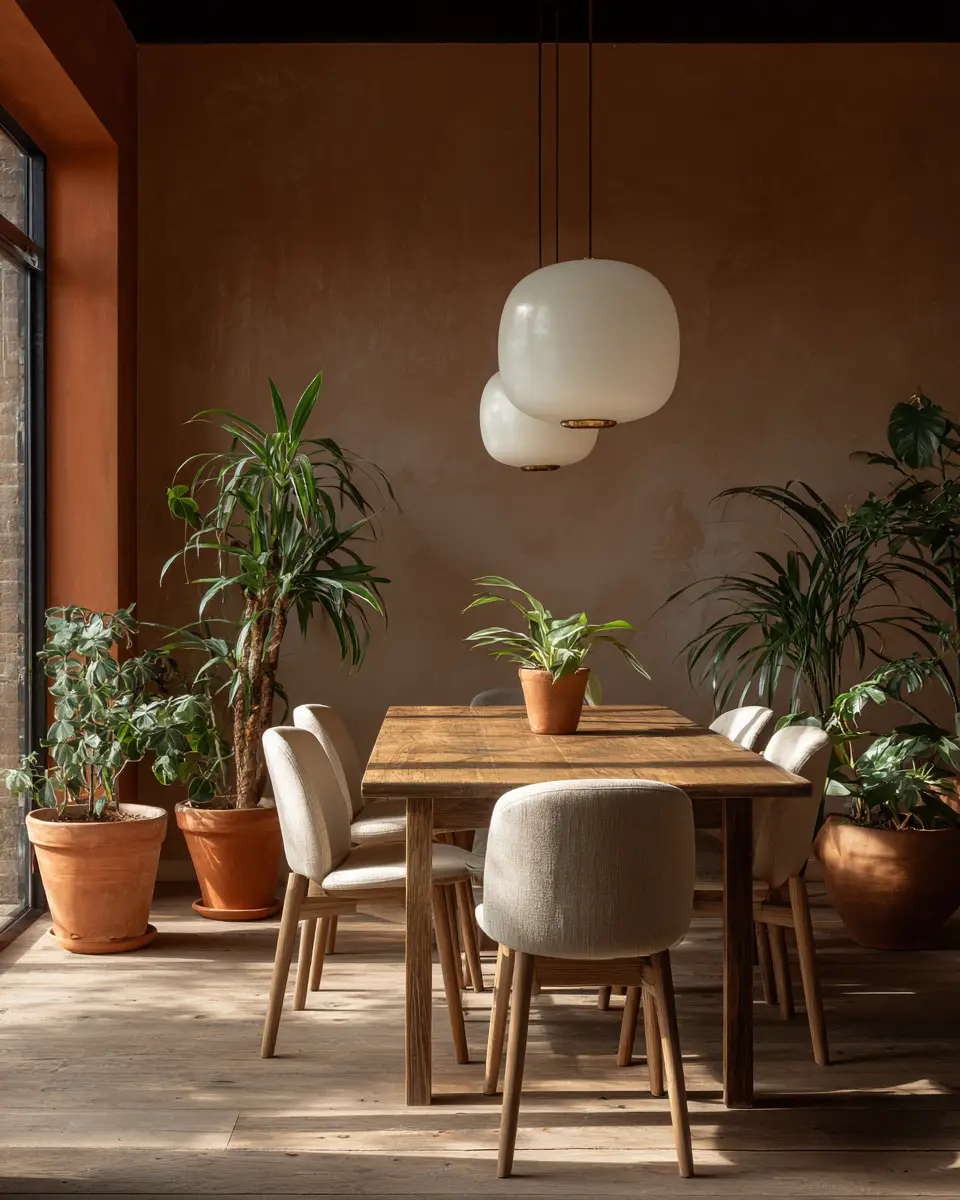
Incorporating natural materials, such as terracotta or clay, for the pots will further emphasize the organic theme, harmonizing beautifully with the overall Japandi aesthetic.
Conclusion
Embracing the elegance of ivory in your Japandi dining room decor can create a tranquil and inviting space that fosters connection and relaxation. By incorporating natural materials, layering textures, and maintaining a cohesive color palette, you can achieve a serene atmosphere that reflects your personal style.
With these decor ideas, you have the tools to transform your dining area into a beautiful sanctuary that celebrates simplicity and functionality. Enjoy the process of creating a space where memories are made and shared with loved ones.